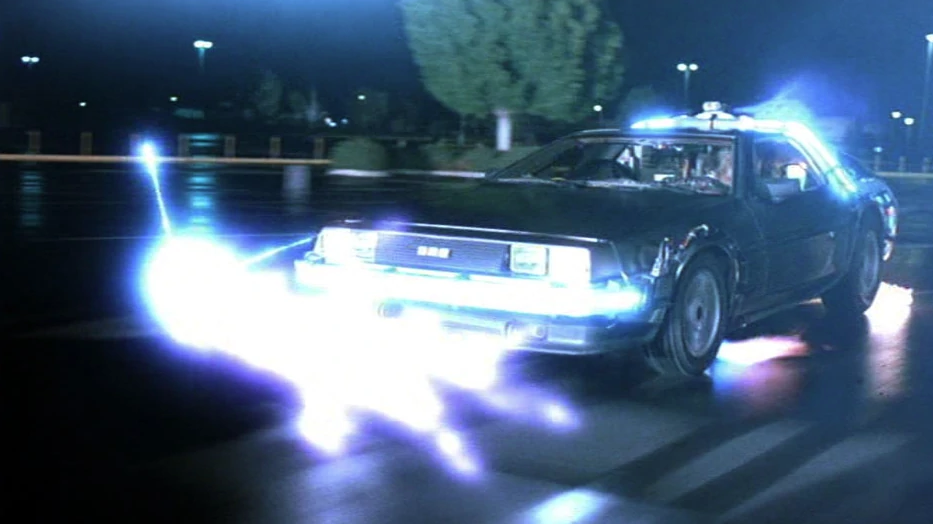

Willys Jeep Mini Replica -1941 (Coolster)
One of the coolest Toys you can buy in 2025 …. the Mini Jeep this amazing little ATV sit in between 1/2 and 1/3 scale model of a 1941 Army Jeep. This 125cc single cylinder can take two adults across a vast array of terrain at speeds of upto 40mph with an estimate MPG of 80

1941 WIllys Style Coolster Mini Jeep
What is a Mini JEEP ?
These amazing vehicles sits at just over 1:3 scale, they are fully working petrol driven models of a WWII Jeep. Able to fit two adults quite comfortably, built for off-road use using Coil spring suspension.
Watch our Mini Review by clicking on the above like (and please leave a like !)
What engine does a Mini Jeep have ?
They have either a 125cc and 150cc engines
Capable of speeds up to 37 mph.
4 Stroke single cylinder.
3 Speed forward 1 Reverse
How fast does a mini jeep go ? 37 mph
Driving Review :
lets start out with the fun factor which is 10 out of 10 !
Having a little petrol engine under the hood, linked to a 3 speed forward 1 reverse semi -automatic (so no clutch to worry about) gives you the options of using a very low 1st gear for off-roading in deep mud, hill climbing etc. Gear 2 is still perfect for off-roading while still giving the torque required to plough through most terrains.
Moving into 3rd gear gives you the top speed of 37.5mph, when using the amazing little vehicle on the road. Off Course it mainly geared for off roading, so those deep knobbly tyres will make road use nosier, and in the wet (on tarmac) caution should be taken and it does make it a little slippy !
But the great thing is you could purchase another set of wheels to use road tyres when not plugging through rough terrain.
The Steering wheel is adjustable in reach so most adults (I’m just under 6ft) can get comfortable behind the wheel.
Let’s talk about on the road first …..

Mini jeep bonnet

Mini jeep grill
It comes with front and rear lights, indicators, rear reverse light, horn, seatbelts, additional fuel tank, spare wheel, windscreen, handbrake and disc brakes.
So it has nearly all the necessary Road Legal equipment bar :
A fog light
Hazard warning flash
Roll over cadge.
And if you’re in the U.K a MPH speedometer (Kmh only, and this is highly inaccurate, so would be best to purchase a GPS Speedometer)
Also it has an a optional Speed limited for those younger drivers out there
In some states these can be road legally, and the 37.5mph top speed comes in handy to keep up with traffic.
As there is no sound proofing, a helmet makes driving this on the road a lot more comfortable and it can get noisy, but that’s part of the fun !
Off-Road those two first gears really do make getting through most terrains very easy, the knobbly tires get stuck into the deepest of mud conditions and seem to make the whole experience very exciting, and certainly brings on many smiles per mile !
Coolster is owned by an American based Company who distribute these mini ATV / Golf carts
Mini Willys Style Jeep Specification :
1 : 2 Scale
Mini Jeep engine 125cc Engine 4 stroke, 154fm, XinYuan
Features : Reverse light, Neutral light, Horn, indicators (with audio alarm) reverse light, Spare wheel, Army style Gas Can,
Transmission 3 speed with reverse
Drive Type : Chain : 530H 153l
EPA approved Carb
Petrol 1.06 gal
Tire size : 18x7-8
Oil capacity : 0.8L Air cooled motorcycle oil with clutch additive
Battery 12v 9A
Coil Suspension Front / Rear : Dual Arms with swingarm rear

Jeep Mini Willy’s Style in forest

Mini Willy’s style jeep WWIi
The windscreen does fold down, so again this makes getting through trees, and branches a lot easier as there’s no risk of damage
Mini Jeep buying tips
These do not come completely fully built out of the box, (unless your buying from a dealer) like Coolster.
So if your buying new or 2nd hand this is what you need to check :
Front Suspension strut bolts are tight
The exhaust bracket and exhaust bolts are tightened, whilst we are on this subject check the exhaust manifold bolts are tight
Check wheel Hub bolts are tight
Check wheel nuts (although overtightening can strip the thread)
Check steering rack bolts are tight
Check steering ball joints bolts are tight
Check handbrake works
Check Disc brake are functioning correctly
Check steering column, and steering wheel bolts
Check all suspension bolts,
Check the fuel line is secure (as clips are not very strong)
Check Rear axle bearings are greased (there is a grease nipple) but apparently they come dry
Check chain is lubricated
Check body security as the bolts can and do rust
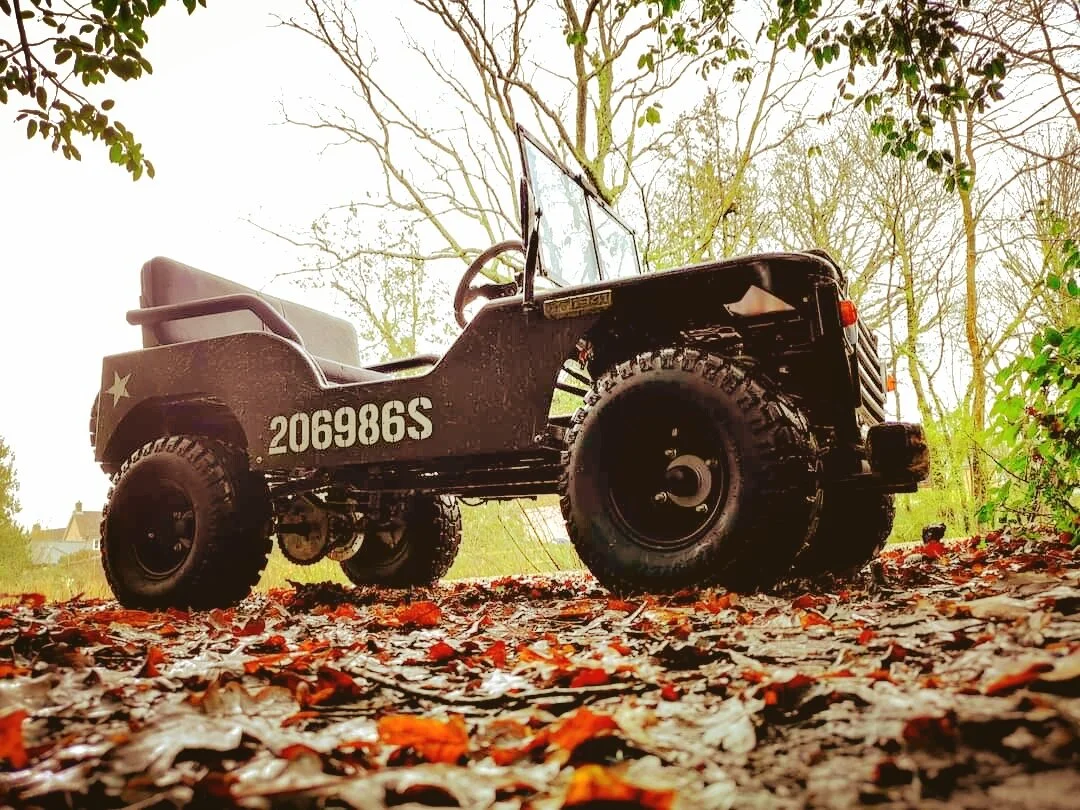
Mini jeep - Coolster

Jeep Dashboard

Mini jeep engine

Mini Jeep gross weight 330.7 / 363.8lbs
Mini Jeep Weight capacity 264.6lbs
Disc Brakes front rear
Electric start with Key
Fully working lights, indicators, horn and speedometer
Speed limiter function (can be added)
Shock Absorbers
Fold down windscreen
Parking Brake
Leather Seats
Safety Belt
Spare Wheel
Spare Fuel Tank

1941 style mini jeep

Mini jeep dashboard
Mini Jeep Dimensions
Width :
950mm
Height :
950mm
Length :
1950 mm
Ground Clearance :
9.84 inches


Future Upgrades
To Install a bumper mounted winch
4” Jeep Spot lights
K&N Air filter
Snorkle
GPS Speedometer and Tachometer
Fuse Box
D Rings on bumper


To find out more fun Future Facts by clicking our Blogs below……….!!! Please Share …..
Ghostbuster - Ecto 1
https://www.sandstoneproductions.co.uk/blogtothefuture/2021/3/31/ghostbusters-ecto-1
Cars of Back to the Future
https://www.sandstoneproductions.co.uk/blogtothefuture/2021/2/10/the-cars-of-back-to-the-future-55-
Back to the Future Fashion
https://www.sandstoneproductions.co.uk/blogtothefuture/2021/2/19/back-to-the-future-fashion-te2yx
Ariel Leader
https://www.sandstoneproductions.co.uk/blogtothefuture/2021/2/17/ariel-leader
Back to the Future - Hill Valley History
https://www.sandstoneproductions.co.uk/blogtothefuture/2021/2/2/hill-valley-history-jxrr4
Back to the Future Gadgets and Trends we have in 2021
Doc Browns Biography and the History of his DeLorean Time Machine
Marty McFly Biography also featuring Biff, George, Jennifer, Loranine
Back to the Future - Hill Valley History
https://www.sandstoneproductions.co.uk/blogtothefuture/2021/2/2/hill-valley-history
Back to the Future - Detailed storyline
Back to the Future - How to generate 1.21 Giggawatts / Jiggawatts with Mr Fusion
What is a Fat Bike ? And where did the idea of Fat Bikes come from ?
https://www.sandstoneproductions.co.uk/blogtothefuture/2021/1/10/fat-bike-what-is-a-fat-bike-history
The Time Paradox explained - Back to the Future
The Sinclair C5
https://www.sandstoneproductions.co.uk/blogtothefuture/2021/1/9/sinclair-c5-
Mini Jeep Mini Review
https://www.sandstoneproductions.co.uk/blogtothefuture/minicoolsterjeepreview
Hoverboards - Back to the Future
https://www.sandstoneproductions.co.uk/blogtothefuture/2020/12/13/hoverboards-
How does the Time Machine work - Back to the Future
https://www.sandstoneproductions.co.uk/blogtothefuture/2020/11/22/how-does-the-time-machine-work
The DeLorean Motor Company - What did it fail ? Or did it ?
https://www.sandstoneproductions.co.uk/blogtothefuture/2020/11/22/whydiddeloreanmotorcompanyfail
The DeLorean Motor Company - History
https://www.sandstoneproductions.co.uk/blogtothefuture/2020/11/22/deloreanmotorcompany
The Flux Capacitor - Back to the Future
https://www.sandstoneproductions.co.uk/blogtothefuture/fluxcapacitor
Is Time Travel Possible ? And what would it take ? Back to the Future
https://www.sandstoneproductions.co.uk/blogtothefuture/istimetravelpossible
Back to the Future Fashion

Marty McFly
The clothing and accessories that people wear are a distinctive part of the popular culture. Clothing styles change not only with the time period, but also communicate one's social class and occupation. Those who don't dress appropriately are often viewed as outcasts or rebels, or at the very least, odd and out-of-place, so Marty McFly's clothing proved to be an endless source of embarrassment for him during his adventures, in spite of Dr. Emmett Brown's attempts to be prepared.
They generally had three options when they traveled from one time period to another:
They purchased and changed clothes after arriving in a new time period
They tried to find appropriate clothes for their destination before traveling
They neglected to change clothes and just endured the awkwardness of attracting attention.
Note: Outfits are described here under the time periods the clothing came from, which were not necessarily when they were worn.
Back to the Future Fashion
Outfit 1: Marty McFLY
This Marty McFly outfit is probably the most iconic of them all.
Everything from the vintage wash denim jacket and faded dad jeans, to the orange puffer vest, looks as good now as it did back in ’85.
Trainers
They’re the overwhelmingly popular Nike Killshot 2 which was originally released in the ’80s and saw a surge in interest when it re-released in 2009, and subsequently in 2014 in collaboration with J.Crew.

Marty McFly

Marty McFly
Denim Jacket:
Quilted Vest:
Tennis Sneakers: Nike Killshot 2 (They’re the overwhelmingly popular Nike Killshot 2 which was originally released in the ’80s and saw a surge in interest when it re-released in 2009, and subsequently in 2014 in collaboration with J.Crew)
Aviator Sunglasses: RayBan
Retro Calculator Watch: Casio
Marty
"Life preserver" First day of school in 1955
Marty wore a red and gray jacket (that he took off in the school cafeteria), white shirt with light blue rectangles, brown pants, brown loafers (slip- on shoes), and had hair tonic in his hair.
"Darth Vader"
The day of the skateboard chase – Marty wore the same red and gray jacket, this time with a black shirt with red chain link pattern, brown pants and Converse Chuck Taylor All-Star shoes.
"That zoot suit"
Marty wore a gray wool suit, a white shirt and narrow red tie, that afterwards he called a “zoot suit”. "Get yourself some 50’s clothes ... something inconspicuous!"
—Doc to Marty
Marty in his "inconspicuous" disguise.
"Something inconspicuous"– Marty chose an “inconspicuous” outfit to cover his basic outfit; he added a black felt fedora hat, black leather jacket and dark sunglasses. When Biff confronted Marty, he referred to the outfit as "that stupid disguise".
After getting to Biff's car, Marty took off his sunglasses. At the Enchantment Under the Sea dance, Biff's gang member Match wondered how he changed his clothes so fast. After being knocked down by a door as his other self ran through it, and when Biff stole back the almanac, Marty was forced to abandon the fedora, which had fallen off his head. When taking Doc back to his mansion, Marty put the jacket and Nikes by the fireplace, along with the letter, so they could dry off.
At the Delgado Mine – Marty wore the same clothes as the day of the skateboard chase, and added a tan overcoat.
Marty's 1955 western outfit
"Clint Eastwood never wore anything like this" – Doc prepared Marty to travel to 1885 with a pink and blue shirt with long, yellow fringe running along the chest, back and sleeves, under five embroidered atomic model designs on the front and back of his shoulders, a red bandana around his neck, red corduroy pants, an ornately tooled belt with golden sunburst buckle, white Nike sneakers, and carried along a white cowboy hat and boots that were too tight.
Outfit 2: Biff Tannen

Biff Tannen
Oh Biff — the mild mannered, charismatic antagonist of the Back To The Future trilogy.
Contrasting shirt tie combo, for the pants I tailored wool (herringbone) trousers. And for the shoes, black leather with white soles to complement the shade of the knit tie.
· Bomber Jacket: (alt) Grey
· Charcoal Wool Trousers
· Black Oxford Shirt
· Grey Knit Tie
· Black Minimalist Sneakers
Outfit 3: George McFly
The timid George McFly
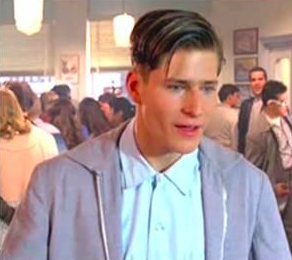
George McFly
· Harrington Jacket: ASOS
· Olive Corduroy Pants: Everlane
· Grey Oxford Shirt: Everlane
· Black Frame Eyeglasses: Warby Parker
· Navy Suede Chukka Boots: Thursday Boot Co.
Outfit 4: Emmett Lathrop ‘Doc’ Brown
Doc Brown, the effervescent inventor of the first time machine, built out of a DeLorean sports car.
Often in a state of shock and awe, Doc had some questionable outfits throughout the series.

Doc Brown

Doc Brown

Doc Brown
· Khaki Trucker Jacket: Flint and Tinder (alt)
· Slim Fit Alpha Khaki: Dockers
· Stripe Polo Shirt: Amazon Essentials
· Suede Sneakers: Koio
“…your future hasn’t been written yet. No one’s has! Your future is whatever you make it. So make it a good one!”
https://www.gentlemanwithin.com/back-to-the-future-fashion/
The clothing and accessories that people wear are a distinctive part of the popular culture. Clothing styles change not only with the time period, but also communicate one's social class and occupation.
Clothing in 1985
"C'mon, I had to change! You think I’m going back in that-- that zoot suit?"
—Marty
Basic outfit –

Marty McFly

Marty McFly

Marty McFly

During most of his adventures, except when he changed clothes in 1955 and 1885, Marty wore Guess blue jeans with black 3/4" suspenders, a red t-shirt, lavender ("purple") Calvin Klein underpants, and white Nike Bruin shoes with red swoosh and backtab
(no word Nike on them until he visited 1885) with gray socks (changed to white socks when he visited 2015).
School outfit –

Marty McFly at School
From Friday before school through his first day in 1955, Marty added a Guess Marciano two-tone blue denim jacket with an "Art in Revolution" button, a Fender P-Bass pin and a white checked Shah Safara shirt to his basic outfit.
He accessorized this with a Casio CA50W digital watch on his left wrist, a silver Aiwa model HS-P02 Walkman, and mirrored Zeiss aviator sunglasses with a sweatguard in the morning.
"Life preserver" – From the evening at Twin Pines Mall through his first day in 1955, Marty added a dark orange Class-5 bubble down vest to his school outfit.
Tales From Space – Doc gave Marty a yellow full-length radiation suit for protection when loading the plutonium. Due to the similarity of his outfit to that of a space alien on a comic book cover, his outfit scared the Peabody family and an elderly couple driving past Lyon Estates in 1955.
"Darth Vader" – Marty wore the yellow full-body radiation suit, a hair dryer from Doc Brown's suitcase tucked into a belt, and held his Aiwa portable stereo cassette player.

Darth Vader BTTF
Doc Brown

Doc Brown
"Devo outfit" – Doc wore a white full-length radiation suit, over a green print shirt, white undershirt, black pants and orange Nike Vandal high-top shoes. He also had a watch on his left arm, and digital stopwatch on a lanyard around his neck.
Train shirt – While in 2015, Doc changed back to 1985-style clothing, a yellow Hawaiian shirt with a cartoon train pattern and brown cargo pants, expecting to return Marty, Jennifer and Einstein back home right away.
Jennifer "Hey Mom, nice pants" -
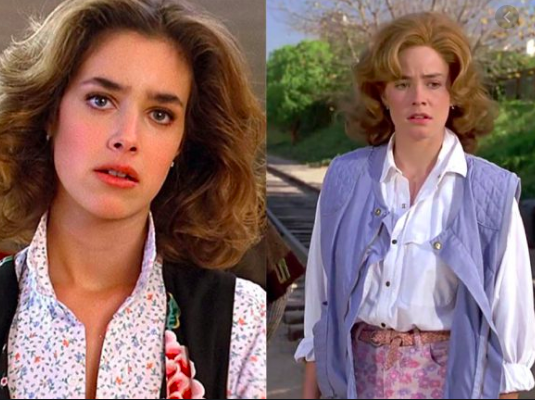
Jennifer wears a blue vest over a white shirt and has pink flower pants.
Other distinctive clothing of 1985
§ Dave wore a uniform for his job as a Burger King restaurant server.
§ George owned a suede jacket.
§ Biff wore a green warm-up outfit on Saturday; a purple warm-up outfit on Sunday.
Clothing in 1955
Biff
"Biff" - On Saturday, Biff wore a red short-sleeve pullover shirt.
School - At school, Biff wore blue jeans and a shirt with a checked red and white pattern.
For the rest of the week, Biff wore a grey jacket, a white T- shirt and black pants. He added a black shirt and a white tie for the Enchantment Under the Sea dance.
Lorraine
"You’re so ... thin" –
On Saturday, November 5, Lorraine wore a pink and purple plaid dress which had a rounded collar, a matching belt around the waist, and a pink bow at the neck. She also wore white socks.
School –
At school, Lorraine wore a blue blouse with a silver brooch and a purple pencil skirt. She also wore her hair in a bun.
"I think you'd look better wearing nothing at all"
On Saturday, November 12 at Ruth's Frock Shop, Lorraine wore a pink knitted sweater, saddle shoes and a novelty black cotton giraffe-print circle skirt which Biff lifted up to expose her panties once outside the shop.
"Well, lookee what we have here"
At the Enchantment Under the Sea dance, Lorraine wore a pink strapless dress, bought with Babs at Ruth’s Frock Shop, which she covered with a white sweater. When she leaned over in the car, Biff was able to see down the front of her dress.
Doc
On Saturday evening, Doc wore a silver robe with black lapels, white shirt, and white knit tie, and dark pants. During the rest of the week, he wore a long white laboratory coat, and put on a pair of green safety goggles when demonstrating the clock tower model. The following Saturday, as he tried to connect the electrical cable, Doc was wearing shoes with Velcro closures that had not yet been invented,[5] although he might have found them in his future counterpart's suitcase.
Other distinctive clothing of 1955
§ Milton Baines wore a coonskin cap, popularized by Disney’s Davy Crockett films.
Clothing in 2015
"First, you have to get out and change clothes."
—Doc to Marty upon arrival in 2015
Doc in his 2015 yellow coat.
Doc Brown
* Marty in his future son's outfit.
"Marty, you’ve got to come back with me"
Doc appeared in Marty’s driveway wearing a long yellow coat, a red shirt with Japanese symbols (no undershirt), silver wraparound glasses with internal video display, and a plastic transparent necktie.
Train shirt – (See: 1985 Doc Brown)
Marty

"You're the spitting image of your future son" –
* Marty Jr.’s outfit and Marty’s disguise consisted of an auto-adjusting and auto-drying jacket (though Marty Jr.'s jacket was broken on the left sleeve), blue jeans worn inside-out (Marty only turned his pockets out), white socks, white Nike MAG power-lacing shoes and a color-shifting lenticular baseball cap.
Marty Jr. wore a white t-shirt with a logo featuring a plus and minus sign. 47-year-old Marty wore a brown business suit over a light brown shirt and brown and yellow multiple ties with rising sun motifs.
Biff
Biff's outfit consisted of a red quarter zip sweatshirt and black, white and green plaid pants.
Griff

Biff Tannen
Griff's outfit consisted of a helmet with sharp metal spikes, a black-ribbed light green jacket over a black chainmail shirt, black pants and black boots adorned with a sharp metallic rhinoceros-like horn.
Marlene
Other distinctive clothing of 2015
§ Multiple ties worn by Terry, Goldie Wilson III and Marty Sr.
Clothing in 1985A
Lorraine
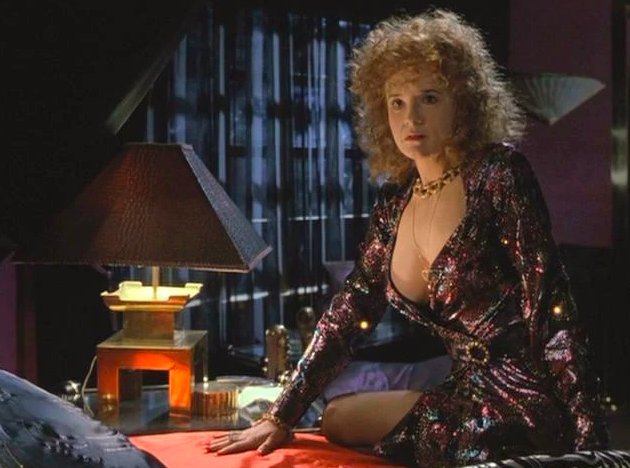
Lorraine 2015
Lorraine Baines McFly, aged 47, in 1985A clothing and breast implants.
"You’re so ... big" – Lorraine Baines McFly wore a black, belted pant suit with patterns of multicolored dots, and high heeled shoes. The blouse had a low neckline revealing her breast implants.
Biff
Although Biff was fabulously wealthy as a result of his cheating with the almanac in 1985A, his sense of dress was still tacky as the Biff of the original timeline. His outfits were gaudy and ugly, with gold chains and bright blue blazers, giving him the appearance of a lounge lizard. After coming out of the hot tub, Biff wore a blue bathing robe over black swim shorts.
Other distinctive clothing of 1985A
§ Biff's bodyguard Match wore a white cowboy hat.
§ Biff's goon 3-D no longer wore his nominal 3-D glasses as the 3-D movies fad had long since faded by 1985. However, unable to part with the nickname, he wore aviator sunglasses which he had custom made, the left lens to be red and the right lens to be blue.
Clothing in 1885
"You can’t wear those futuristic things in 1885. You shouldn’t even be wearing them in 1955."
—Doc Brown at the Pohatchee Drive-in
Marty
"Clint Eastwood never wore anything like this" – (See: 1955 Marty)
Marty's 1955 western outfit plus hat.
"You sure look like Seamus McFly" – Same as "Clint Eastwood never wore anything like this" (see: 1955 Marty), with a straw derby hat[6]
"Some respectable clothes and a fine hat" – Most of the week, Marty wore a long, blue workshirt, brown jeans, and a brown sarape over long underwear, with a brown flat-topped hat, and boots.[7] The outfit was very similar to the one Marty saw Clint Eastwood wearing in A Fistful of Dollars.
"Go ahead, make my day" – One morning, Marty woke up wearing his long underwear with a half-fastened drop seat, and put on his hat and gun belt to practice in front of the mirror.
Behind the scenes
1955
Bob Gale said that costume designer Deborah Scott found nearly all the clothing for the film in the studio’s wardrobe department; they didn’t have the budget for her to make many original items.[8]
Lea Thompson found the pink dress uncomfortable to wear and even more uncomfortable to dance in, and would walk around the set in the 1950s corset bra and crinoline underskirt to avoid wearing the dress, and once even shocked her mother when she visited her on the set. But despite that, she still hung on to one exemplar of the dress that was given to her, and helped out with the filming of the second movie when the original dress had been lost, and she provided it herself.[9]
The black fedora Marty wore as apart of his 'something inconspicuous' disguise was made by the Stetson hat company, especially for Michael J. Fox.[10]
2015
Costume designer Joanna Johnston said she was terrified at the prospect of designing the clothing of the future, making costumes for the cast and 150 extras from scratch, since Bob’s concept did not have a basis in anyone else’s work. For a future society in which men and women are truly equal, the clothing styles would exaggerate the difference between the sexes. She decided to use a very wide variety of fabrics in bright "but not fluorescent" colors.[11]
1885
Costume designer Joanna Johnston was already familiar with the clothing for the period, having worked on the movie Tess, but found that most of costumes that were made for the Westerns of the '40s, '50s and '60s lacked the authenticity she was looking for. After further research, she created clothing for the main characters and as many as 500 extras based on the original clothing patterns she found.[12]
Back to the Future is being cited as a key fashion inspiration, it will come as no surprise to any fans of the film or, indeed, of fashion.
So much so, in fact, that Eastpak is reissuing the original rucksack Marty travelled through time with this season, sold exclusively at Selfridges (although if you have a DeLorean, you are advised to time-travel and buy one of the 80s originals, as Eastpak is certainly not selling them now at 80s prices).
Marty rocking double denim and high-tops
Marty himself has been something of a hipster template for a while now: the double denim, the checked shirt, the high-tops. If only Marty had arrived in east London 2014 as opposed to Hill Valley 1955 (and, later, 2015 and 1885), he would have fit right in and instantly sparked a sleeveless parka revival.
As for the other characters,
Lorraine Baines (later McFly, then Tannen) has, waist up, a proper Alexa Chung look going on, with her Peter Pan collars and demure little jumpers.
Biff Tannen's sports jackets are definitely in style, for men and women, while George McFly's thick-rimmed glasses have been a fashion staple since the dawn of time (maybe alittle exaggeration there)
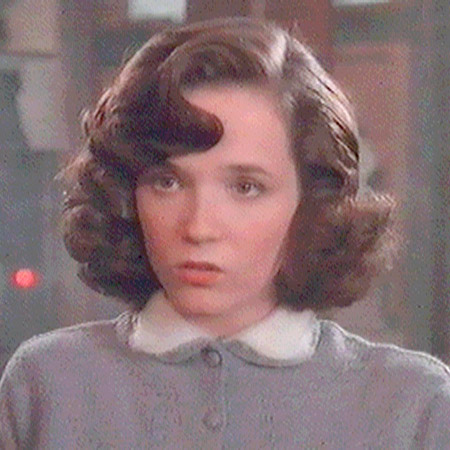
As for what Back to the Future fashion pieces the biggest vote has to be for Lorraine's wacky 1955 hairstyle, in which her hair zigzags across her forehead
And honestly? Yeah. The clothing is superb. It doesn’t feel costume-y or try hard like The Great Gatsby or Gangster Squad; in BTTF, the period looks are natural yet interesting, feeling cool but dated.
As this film was made in the 80s, that the period they were parodying (1950s) wasn’t that historical. It was like (literally) looking at pictures your parents wore and checking local thrift stores for clothing ideas.
This all probably contributes to why Hill Valley in 1955 feels real and not filled with some wise-cracking gangster with a down-on-his-luck shoeshine kid.
Clearly, there is a huge difference between menswear in 1955 and 1985, but there are just things that make the 1950’s stand out when compared to other eras, but the 1950’s was a remarkably different than the 1940s.
In this post war time, you had the first inklings of true casual style. Instead of sportcoats as sportswear, you had dedicated garments like Hollywood jackets.
Shortjackets with point collars and bomber styles were extremely popular to wear when you were off work or just a youth.
Jeans and converse were the new go-to for casual pant/shoes, though a few still wore pleated
Hollywood waist gab slacks and derbies. And let’s not forget the explosion of prints (tiki and atomic) and tone-on-tone variations that made sportshirts truly “sporty”.
People today call it the Bold Look for tailoring (due to the heavy shoulder pads and dropped button stance) and Rockabilly for casual style. Either way, it’s pretty cool.
Good examples of the fun casual shirts in the 1950s.
Short jackets of all kinds were common, this time done with fun details.
Great shirts and an epic trouser to boot.
Ties in the 1950’s were more about abstract vertical designs. Some were slim, others were wide.
Leisuire jackets were all the rage.
BTTF gets all of this right, presumably by the use of true vintage (since the patterns and designs are really specific) as according to the wiki, they only used whatever was in Universal’s costume warehouse.
However, warehouses could definitely still make good reproductions! We’ll never know what is true vintage or not, but I’m leaning on the use of true vintage pieces since would only be 30 years old and wouldn’t be hard to source and get in decent condition.
Marty McFly
We all know Marty McFly’s epic 1985 look. Denim jacket on slim high waisted jeans, with a solid colored crewneck under a button up shirt; we also can’t forget the life preserver and white/red Nike Bruin sneakers. It’s a classic outfit that isn’t actually out of place today, since you could wear it at a Halloween costume or as a generic dude in LA (maybe lose one of the layers though).
That period paved the way for “non-traditional” garment mixing that ushered in the current way we approach casual style. Since this is only 15 years from the period of overalls with oxfords or puffers and military chinos, it’s no surprise that wanna-be rocker Marty McFly would also wear something as weird.
However, as we saw in the movie, he stuck out like a sore thumb when he was accidentally sent back in time to 1955. Luckily with a rich heir like Doc Brown as a friend, Marty is able to get some period accurate clothes and fit into this iteration of Hill Valley.
Marty’s first look for a new day in 1955 is a damn good one: every piece is so great. Firstly we can see the two-tone leather-gab jacket with a point collar. Two-tone jackets were popular as youth novelty wear. I’m pretty sure the one in the film is a reproduction, but if you found that as vintage it would be worth a lot.
Underneath the jacket, Marty has a block motif sportshirt that he’s rolled up his sleeves a la James Dean. Patterns like this are what make this era’s shirts so much fun.
He has white socks and penny loafers!
With the shirt, he finishes this perfect 1950’s casual-youth outfit with (presumably) pleated hollywood waist slacks that seem to be made of some silk or rayon blend. providing crunchy/shiny texture that fits in with the era’s obsession with patterns and atomic themes.
Overall, it’s a great uniform to do: sportshirt + high rise trousers + casual jacket. Marty wears the look well, with everything fitting perfectly. In fact, this vibe not only informs some of the looks you can see at Inspiration LA It may not be atomic or tiki, but alohas are certainly in full force in today’s spring/summer. Even the thin belts are coming back.
They need to make prints like this again!
When Marty gets into the epic skateboard chase, he retains the two-tone jacket but brings in a new shirt and pant combo. The shirt, now a red/blue piece with a wild diagonal stripe mixed with oversized squares is an EPIC one. Its a bold pattern, which again makes the 1950’s unique in it’s choice of casual patterns. It just has that retro appeal that I think would look great under a sportcoat, if there were just makers that had it (since a true vintage one would no doubt be expensive).
Note here that he’s now wearing some straight cut blue jeans. It’s different than his slightly acid-washed ones from the 80s, mainly in how it drapes. They’re not overly wide, but moderate, ending with a cuff. They look how I want my jeans to fit with proper drape. Again, Marty kills it.
At some point, Marty swapped his Corteze with black converse. Looks very 50’s when worn with cuffed blue jeans.
Another fun gab sportshirt that is worn untucked with a white undershirt base layer.
Note the two-tone coloring. Very 50’s.
His last major 50’s look is a sportcoat-trouser combo, worn to the Enchantment Under the Sea Dance. We don’t really get a good look at the full cut or details, so we’re left wondering if this is a true 50’s jacket (or designed like it) or something from the 1980s that they tried to pass off.
The choice of odd trouser, a charcoal grey fleck Again, this was a time of exploring fabrics and cuts in the realm of tailoring, and while illustrations may keep everything clean, photographs from the era showed that the youth always had a mishmash of things. It’s probably because they didn’t have dozens of trousers to begin with.
The wide cut may be inspired by the zoot suit (Marty does reference it in the film, but zoot suits were more of a 40s thing IIRC), but he rocks it all the same.
Since you get to see it in full force (along with white socks and black two-tone derbies) while he’s playing the guitar, perhaps it’s his way of exuding that rebellious rocker chic in 1955. He certainly stood out amongst the crowd!
Doc Brown
We don’t really get to see much of Doc Brown’s attire until Marty goes to visit him in 1955; Doc is just in a white jumpsuit in the Lone Pine Mall.
When Marty visits him, Doc seems to wearing a variation on what we’d expect a well-to-do heir would wear at home. A pink shirt (the 1950’s loved color, if you couldn’t already tell) and a white single stripe tie are fun nods to the fact that he’s an adult, but you get the affluent charm with an epic silver dressing gown.
With a scale-esque texture and it’s moderate black satin peak lapels (echoed by the pocket piping), it definitely has that post-war fun vibe.
When Doc goes with Marty to Hill Valley High to check out Marty’s parents, Doc has on a very typical “casual man” outfit. The tiki shirt is a no brainer at this point, but note the cool gab jacket he has on.
It’s definitely some form of leisure jacket with modest lapels, patch pockets, and a fun little monogram on the patch. Jackets like this were casual but they clearly took after the classic sportcoat design; it looks smarter than simply wearing a leather jacket or gab short jacket.
Also take note of his straw fedora (I don’t think it’s technically a panama hat). Instead of the traditional black band, he instead has an abstract design as a ribbon, which was a common trend in the 1940s-1960s for straw hats. It also just makes the hat much more casual, which is one of the reasons why it’s hard to wear fedora-type hats often.
Flecked trousers. The 1950s loved fleck.
A checked asymmetrical sportshirt with a yolked pocket flap.
Look at Doc’s weird shirt! Super cool and novelty style that was popular in the late 40s-50s. Finding one today would be rare and expensive.
Doc Brown’s last outfit in 1955 is hard to make out, as he wears an balmaccan style rain coat for the climax, but his polo-style shirt deserves some recognition. Like so many other pieces we’ve seen, the shirt features a fun print, consisting of red and black squiggles.
The shirt has a contrast collar/placket and cuffs, which again fits in with many of the stylistic choices of the era. I’m not sure if I would wear it today, but more brands should definitely take a page out of the era and make something “new”!
Marty’s dad, at least this version of him, dresses like a dweeb because he is a dweeb. It’s supposed to be 1985, where RL and other mall clothes are in full swing, and yet he dresses like a caricature of a 1960’s accountant.
Short sleeve shirt, repp tie, pen pockets, and browline glasses, all contribute to it. I mean I’ve worn socks and shorts together, but I don’t think it looked this bad.
I mean, it makes sense since the film is portraying George as someone who is unlucky, who gets bullied, and gathers no respect.
A flecked short jacket.
In 1955, George McFly actually dresses pretty decently! He’s not exactly sticking out like a nerdy sore-thumb. Like Marty, he wears a few different sportshirts and short jackets, though in comparison, they’re much more plain. George could also benefit with a better fit, but it’s not terrible. At least in most cases.
What George does make a habit of doing is wearing his sportshirts fastened all the way to the top. Now this was done back in the day, but based on photos and illustrations, sport collars were definitely best worn open.
It’s a nerd thing to do that came back in the mid 2010s as the “air tie” and always results in the wearer looking “closed up”. And since George is a nervous guy with no friends or confidence, it works perfectly.
I like the checked cloth and red buttons.
In one scene, George actually wears a two-tone Hollywood Jacket! Like with Doc’s ivory jacket, these are meant to be a casual-yet-tailored approach to casual wear. You’ll see that the cut and design are similar to a chore coat’s, just with shoulder pads and “formal” cloth.
George’s brown gab short jacket has shoulder pads and is a size or two too big for him. Also see how he’s got his shirt buttoned all the way up.
An interesting cotton short jacket with a wider collar and hand warmer pockets. Very cool.
George goes all out for the dance, mainly because it’s his big moment to “save” Lorraine. A white dinner jacket and black tie is hard not to separate from James Bond (or Casablanca), and its actually the first time George wears something that fits him well. It’s still in the 1950’s aesthetic, so he has padded square shoulders, a low button stance, and closed quarters.
When we return to good ol’ modified 1985, accounting-nerd George has been replaced by a true chad version. There are no short sleeve shirts and browline shades here. Instead, he has a very 80s biz-caz outfit consisting of a moleskin blazer, vibrant red polo, and pleated slacks. It’s not bold, but since this is a “normal” outfit, it contrasts against George’s first appearance.I also love the aviators for max 80s cool.
Biff Tannen
Biff. When we first see him, his commandingly bold 70’s outfit just screams like a guy who peaked in high school and still bullies others. Which is definitely true.
It’s such a weird look that actually has some prep vibes to it, mainly with the use of a navy brass button blazer and plaid odd trousers; I think I may even see a white braided belt.
1985 Biff actually dresses rather “normal” for the era, though he stands out for his boisterous character and sheer Kingpin-like aura.
It’s all just sportshirts, white crewneck tees, and jeans, nothing to write home about. but with it just being done with jeans and sneakers, it feels boring, mainly because its an easy way to do a 1950s look. It’s easy to replicate, but don’t forget that a sportcollar makes a world of difference; a regular standing collar wouldn’t achieve the same effect.
I guess the point is that Biff is just a regular old bully, contrasting against George’s plain looks that utilize jackets and Marty’s much more interesting take on the era.
Biff’s jacket of choice is a bomber style one that has black contrasting collar and cuffs. Can’t you see how popular two-tone clothing was in those days? Like Marty’s leather jacket, this one also ends around the waist, but instead of it just being a plain bomber design, Biff’s jacket has decorative front pleating. Don’t ask why, it’s just for show.
Like with the shirt patterns, I wish we also had more vintage-inspired jackets like this!
A black shirt and bold tie? I guess stereotypical prom style was a thing even in 1955.
Others
Strickland has a bowtie and suit, but if you look closely, the suit is very 80s with wide shoulders, open notch and low buttoning point.
In 1955, he has a suit that clearly has more weight and features a fun shadow stripe, a common thing for vintage suits.
Ivy style isn’t really in the film other than the committee deciding on the band. 80s ivy is just like 70s ivy tbh: just a more exaggerated and bold version of 60s ivy.
Goldie Wilson also wears a bar motif sportshirt, though with the wide collar, it might be from the 40’s. That makes sense, since he might not have access to current fashions.
Lorraine’s dad wears a car coat (an overcoat with a shorter length). He has a fedora, which gives him an “adult” look. Not sure if the trouser fit is right though.
As can be expected, Lorraine’s dad has a gab sportshirt. The shorter collar points and higher buttoning point is period accurate to the 1950s.
So much great stuff here, from the faded, cuffed denim and saddle shoes to the absolutely epic novelty knitwear. I’m very glad that the youth have a variety of style!
Striped shirts are what kids wore back then, not flat caps, plus-fours, and suspenders.
Biff’s gang all have variations on casual style. Is that a knit tee I see? Wish we could see the ribbing!
More variety in style here and it all looks period. Love the kid’s pastel blue pleated pants, the red sweater, and what I think is a Cub Scout uniform. Check out that tiny brimmed hat!
Marvin Berry and the Starlighters all wear 50’s silk dinner jackets with their quintessential square shoulders and low button stance. Instead of bowties, they have matching continental bow ties.
Great short jacket.
Conclusion
BTTF is a great example of a movie that makes 1950’s clothing seem accessible and easy. There isn’t a big focus on tailoring, which probably makes it much more palatable. Instead, we see casual 50’s, rockabilly-esque style, which informs a lot of the heritage-Americana that is so easy for guys to wear. Sportshirts and cuffed jeans should get you through the most of it.
The real way to make it interesting is by checking out how Marty does it. Instead of plain shirts, he wore fun patterns that made his attire stand out among the others. It might be vintage and dated, but I certainly love the personality they bring to an outfit, especially since today you can refine it by wearing with loafers or a sportcoat instead of on its own.
Bonus points for those epic two-tone jackets (or leather jackets in general). I’m not sure if the world is ready for the return of hollywood jackets, but after the rise of chore coats and safaris, maybe there’s room for it.
Overall, I think a lot of guys who are searching for a more interesting way to dress can take some cues from this. BTTF did a great job and since it didn’t go too crazy (note the lack of flat caps, which if included would just be inaccurate), it comes off as classic and actually wearable.
I love this movie and I hope you enjoyed this dive into the costuming
Always a pleasure,
To find out more fun Future Facts by clicking our Blogs below……….!!! Please Share …..
Ghostbuster - Ecto 1
https://www.sandstoneproductions.co.uk/blogtothefuture/2021/3/31/ghostbusters-ecto-1
Cars of Back to the Future
https://www.sandstoneproductions.co.uk/blogtothefuture/2021/2/10/the-cars-of-back-to-the-future-55-
Back to the Future Fashion
https://www.sandstoneproductions.co.uk/blogtothefuture/2021/2/19/back-to-the-future-fashion-te2yx
Ariel Leader
https://www.sandstoneproductions.co.uk/blogtothefuture/2021/2/17/ariel-leader
Back to the Future - Hill Valley History
https://www.sandstoneproductions.co.uk/blogtothefuture/2021/2/2/hill-valley-history-jxrr4
Back to the Future Gadgets and Trends we have in 2021
Doc Browns Biography and the History of his DeLorean Time Machine
Marty McFly Biography also featuring Biff, George, Jennifer, Loranine
Back to the Future - Hill Valley History
https://www.sandstoneproductions.co.uk/blogtothefuture/2021/2/2/hill-valley-history
Back to the Future - Detailed storyline
Back to the Future - How to generate 1.21 Giggawatts / Jiggawatts with Mr Fusion
What is a Fat Bike ? And where did the idea of Fat Bikes come from ?
https://www.sandstoneproductions.co.uk/blogtothefuture/2021/1/10/fat-bike-what-is-a-fat-bike-history
The Time Paradox explained - Back to the Future
The Sinclair C5
https://www.sandstoneproductions.co.uk/blogtothefuture/2021/1/9/sinclair-c5-
Mini Jeep Mini Review
https://www.sandstoneproductions.co.uk/blogtothefuture/minicoolsterjeepreview
Hoverboards - Back to the Future
https://www.sandstoneproductions.co.uk/blogtothefuture/2020/12/13/hoverboards-
How does the Time Machine work - Back to the Future
https://www.sandstoneproductions.co.uk/blogtothefuture/2020/11/22/how-does-the-time-machine-work
The DeLorean Motor Company - What did it fail ? Or did it ?
https://www.sandstoneproductions.co.uk/blogtothefuture/2020/11/22/whydiddeloreanmotorcompanyfail
The DeLorean Motor Company - History
https://www.sandstoneproductions.co.uk/blogtothefuture/2020/11/22/deloreanmotorcompany
The Flux Capacitor - Back to the Future
https://www.sandstoneproductions.co.uk/blogtothefuture/fluxcapacitor
Is Time Travel Possible ? And what would it take ? Back to the Future
https://www.sandstoneproductions.co.uk/blogtothefuture/istimetravelpossible
Follow our Hashtags …..
#backtothefuture #martymcfly #delorean #bttf #s #docbrown #michaeljfox #dmc #deloreantimemachine #timemachine #christopherlloyd #fluxcapacitor #hillvalley #outatime #timetravel #mcfly #movie #hoverboard #movies #deloreandmc #greatscott #backintime #art #backtothefuturetrilogy #bifftannen #bhfyp #timemachine #mcfly #marty #docbrown #greatscott #fluxcapacitor #christopherlloyd #backtothefuture2 #backtothefuture1 #backtothefuture3 #dmc12 #deloreantimemachine #deloreandmc12 #BTTF #bttf1 #bttf2 #bttf3 #time #timecircuits #docbrown #1980s #popculture #props #flux #fluxbands #glow #giggawatts #jiggawatts #1.21 #power #mrfusion #backtothefuturefashion #1980fashion #retrofashion #bttffashion
https://streetxsprezza.wordpress.com/2020/06/21/the-menswear-in-back-to-the-future-1985/
External links
§ https://backtothepredictions.com/category/fashion/
§ https://backtothepredictions.com/category/fashion/clothing/
§ https://backtothepredictions.com/tag/clothing/
§ https://backtothepredictions.com/tag/fashion/
References
1. ↑ http://www.bttf.com/forums BTTF.com Message Board
2. ↑ http://www.bttf.com/forums BTTF.com Message Board
3. ↑ http://www.bttf.com/forums/topic.php?tp=38901-I+FOUND+IT%21+This+is+like+finding+the+holy+grail...+I+have+found+the+Marty+McFLy+Vest%21%21%21#
4. ↑ BTTF III novel, p. 38, 39
5. ↑ Velcro 50th Anniversary : Timeline, see "1985".
6. ↑ BTTF III novel, p. 73
7. ↑ BTTF III novel, p. 98, p. 205
8. ↑ Feature Commentary with Bob Gale and Neil Canton, Part I, at about 1:10.
9. ↑ Gaines, Caseen, We Don't Need Roads: The Making of the Back to the Future trilogy, p. unknown
10. ↑ http://www.icollector.com/Back-To-The-Future-2-Marty-s-Something-Inconspicuous-Fedora-Michael-J-Fox_i20788290
11. ↑ Klastorin, Michael, and Sally Hibbin, Back to the Future: The Official Book of the Complete Movie Trilogy, p. 71-72.
12. ↑ Klastorin, Michael, and Sally Hibbin, Back to the Future: The Official Book of the Complete Movie Trilogy, p. 60-61.
www.sandstoneproductions.co.uk

Top Gear - The DMC-12 40th Birthday - On Road and Track DeLorean Review
Top Gear DeLorean’s 40th Birthday Road and Track Review with Chris Harris - Series 31 Eposide 4
🚗 DeLorean's 40th Anniversary on Top Gear
The report, which aired in 2021 (40 years after the car's launch), featured presenter Chris Harris investigating the "stranger than fiction" story of the DeLorean.
Focus: The segment covered the tumultuous history of John Z. DeLorean and his vision for the gull-winged, stainless steel sports car.
Northern Ireland Tribute: Harris notably paid tribute to Northern Ireland's role in the car's manufacture, including scenes of him driving the car around Belfast's Titanic Quarter, where the factory was located.
The Back to the Future Legacy: It also covered the car's instant and enduring iconic status due to its starring role as the time machine in the Back to the Future trilogy.
Top Gear reviews the DeLorean 40 years on …..
Chris Harris investigates the stranger than fiction story of the time-travelling DMC DeLorean in this episode.
The story of John Z DeLorean and his vision of building his own Supercar has certainly been a roller coaster ride and one that still to this day could not be replicated.

The DMC-12 DeLorean’s 40th Birthday
Follow our Hashtags
#delorean #dmc #dmc12 #delorean40th #deloreans40thbirthday #40yearsofdelorean #topgear #topgeardelorean

THE RECKONING - Behind the scenes (of a filmset) !!!
Creativity fills the air as filming begins on a project 1 year in the making.
A short film called ‘The Reckoning ‘ Produced by www.pavillionfilms.com is based on a poem written in 1976.
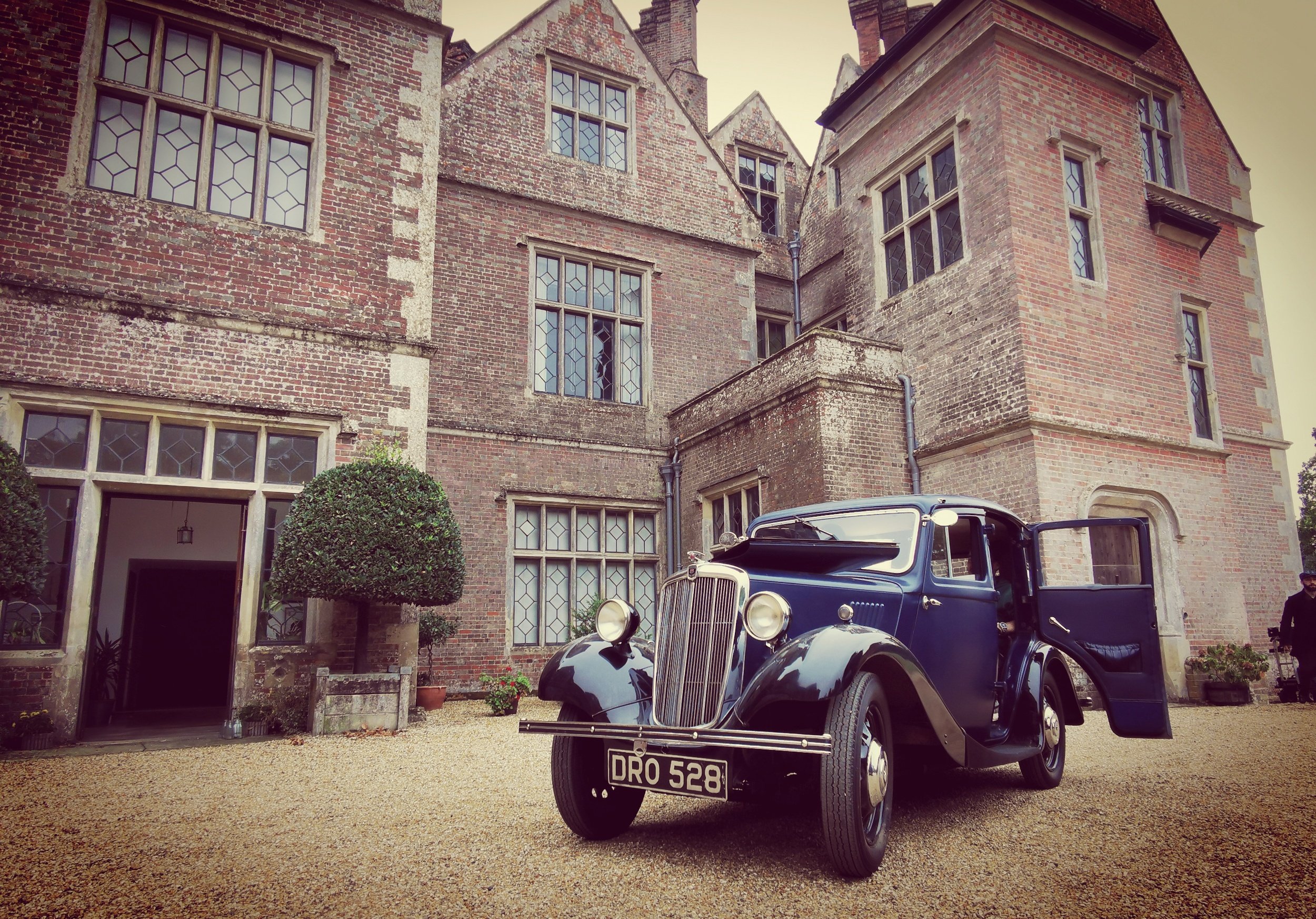
Breamore house was selected for both the backdrop and filming location
#thereckoning #Breamorehouse #filming #filmset #vintage

SANDSTONE PRODUCTIONS - THE NEW FOREST
The Sun rises over the misty fields of the New Forest
As we take in the beautiful views over rolling landscape we find it hard to contain our excitement of spending our morning on a film set at Breamore House.
Creativity fills the air as filming begins on a project 1 year in the making.
A short film called ‘The Reckoning ‘ Produced by www.pavillionfilms.com is based on a poem written in 1976.
Breamore house was selected for both the backdrop and filming location
#thereckoning #Breamorehouse #filming #filmset #vintage

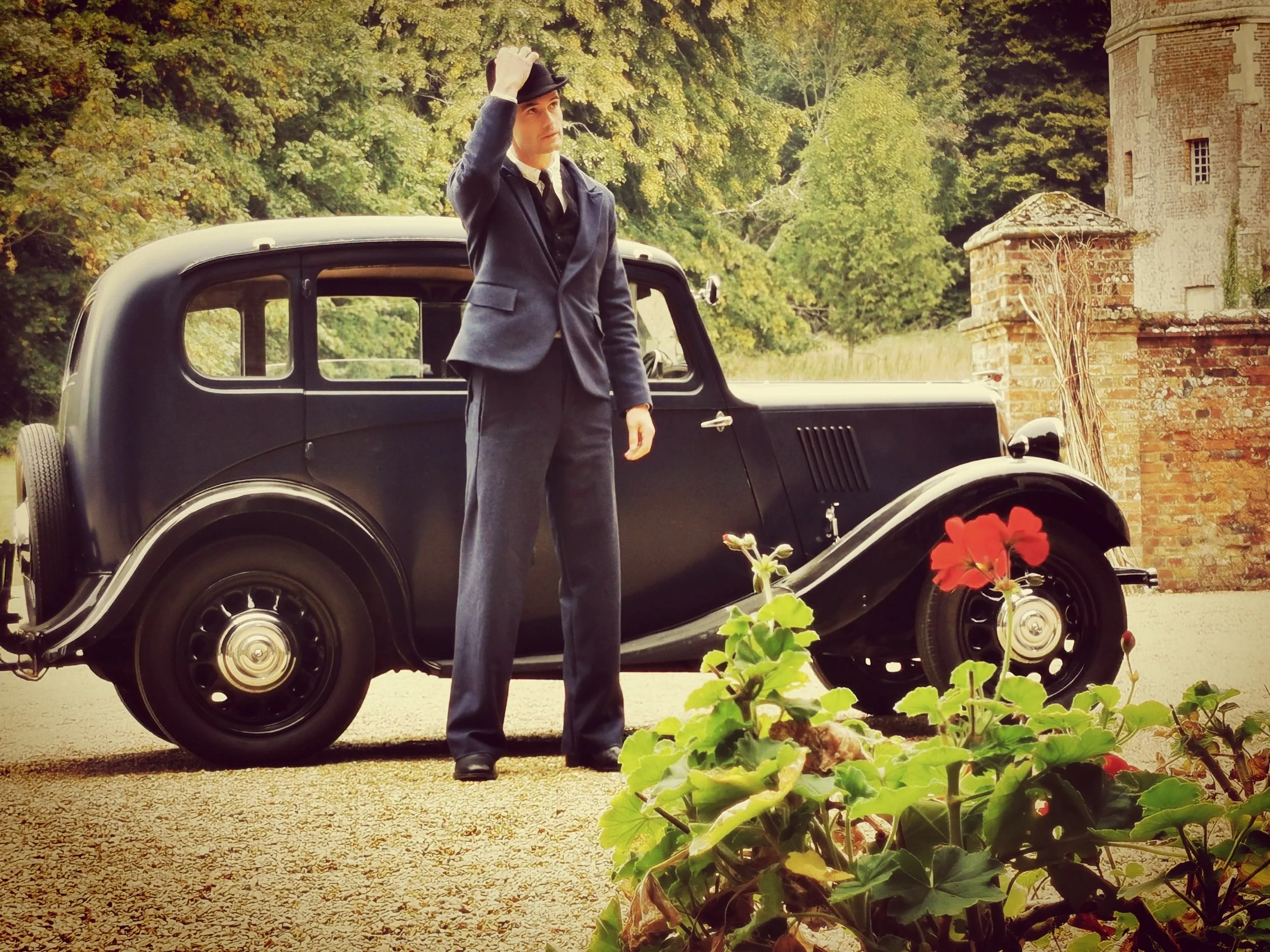

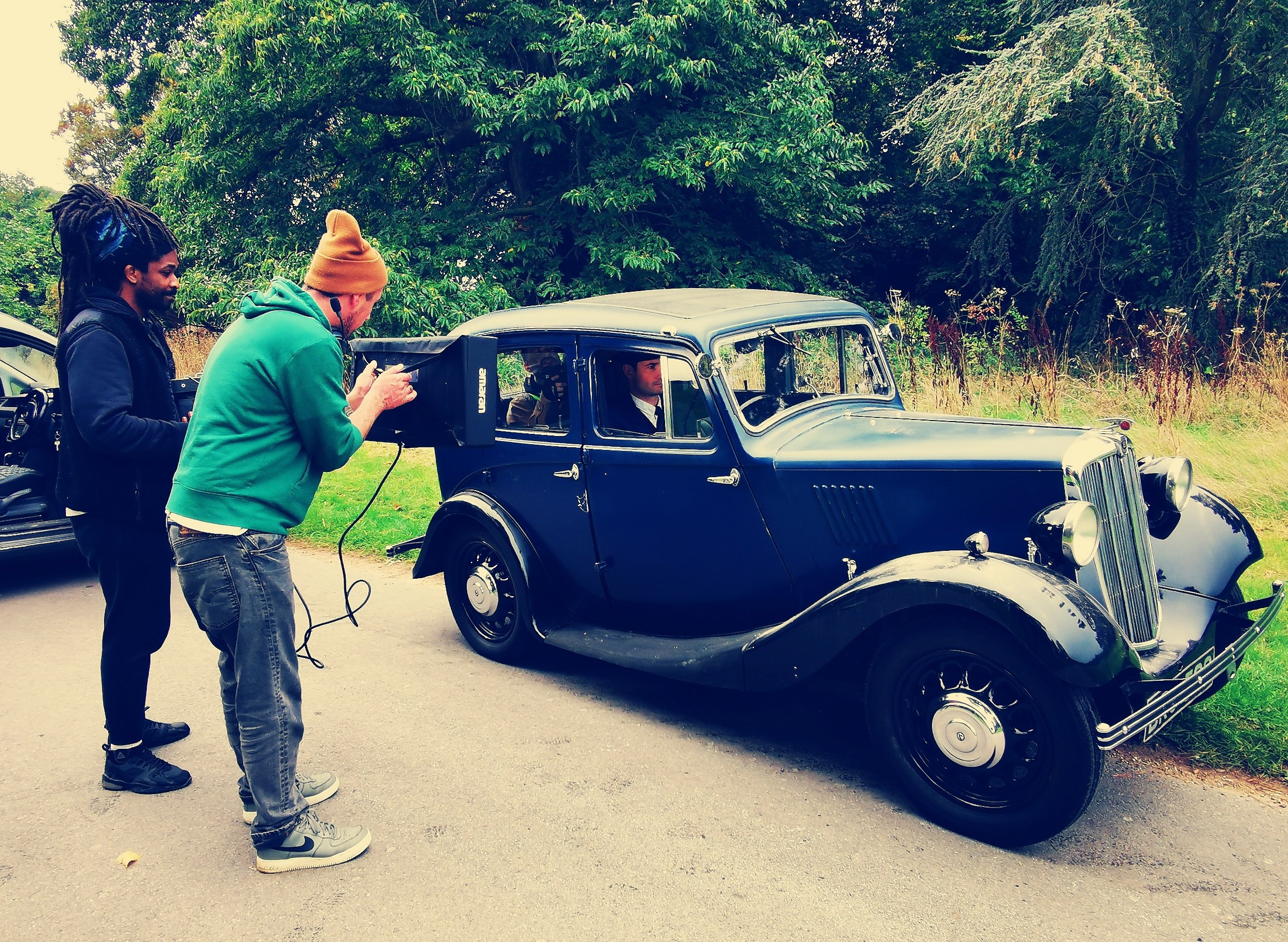
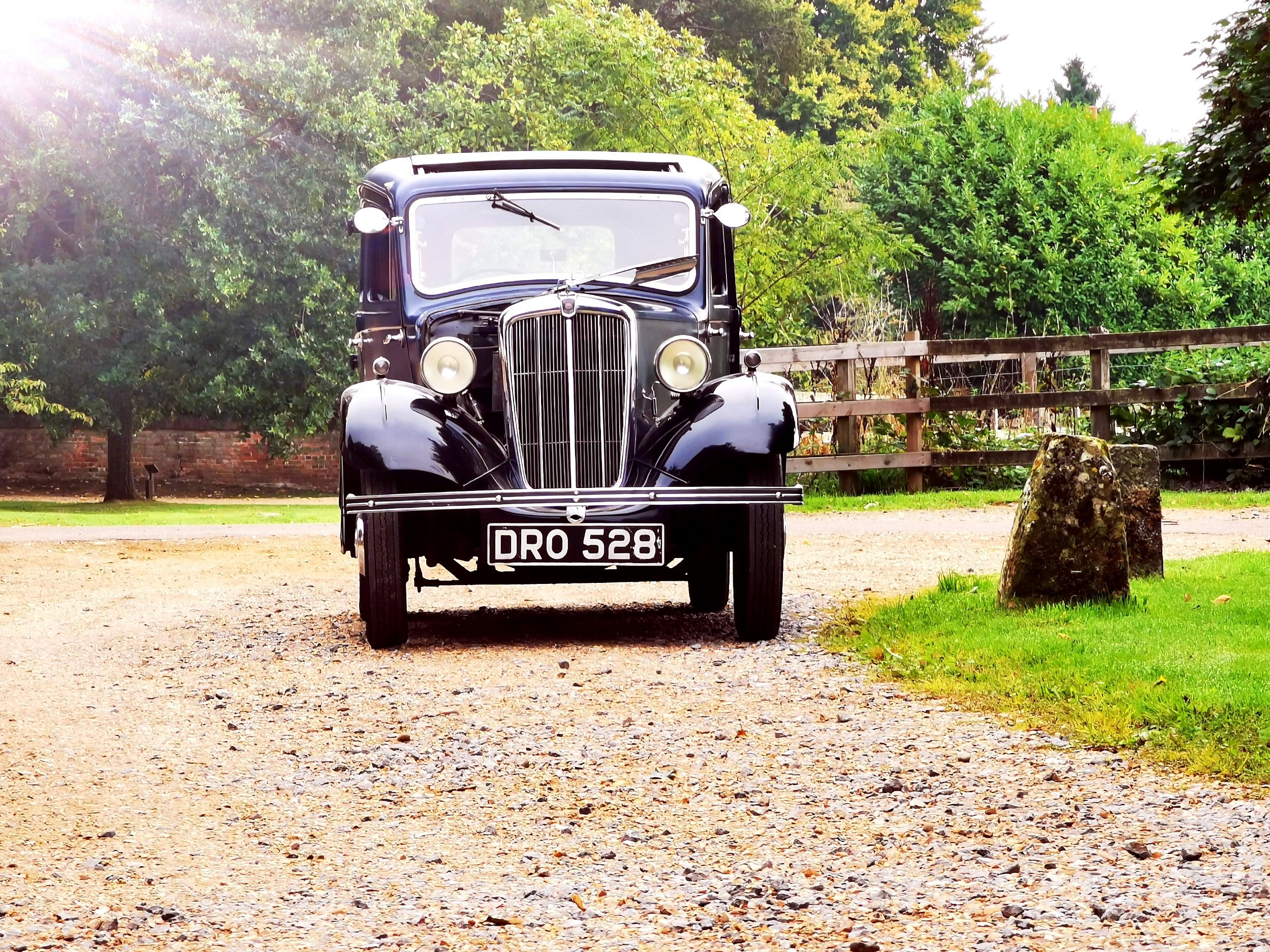
As the mist clears lifts from the beautiful grounds of Breamore house Toma ( the main character) can been seen driving his dark blue Morris 8 up to the Manor house to visit his uncle
Actually, I will stop there …. (as I do not want to Spoil this epic story) although you will need to wait till November 2022 for it’s release date
From the stillness and quiet surroundings of the grounds of Breamore House the words the Director is heard :
“ Roll sound ….. Sound speed …..Roll camera….Camera speed” (audio of film slate being read), Marker (audio of slate being closed) then
“Action!”
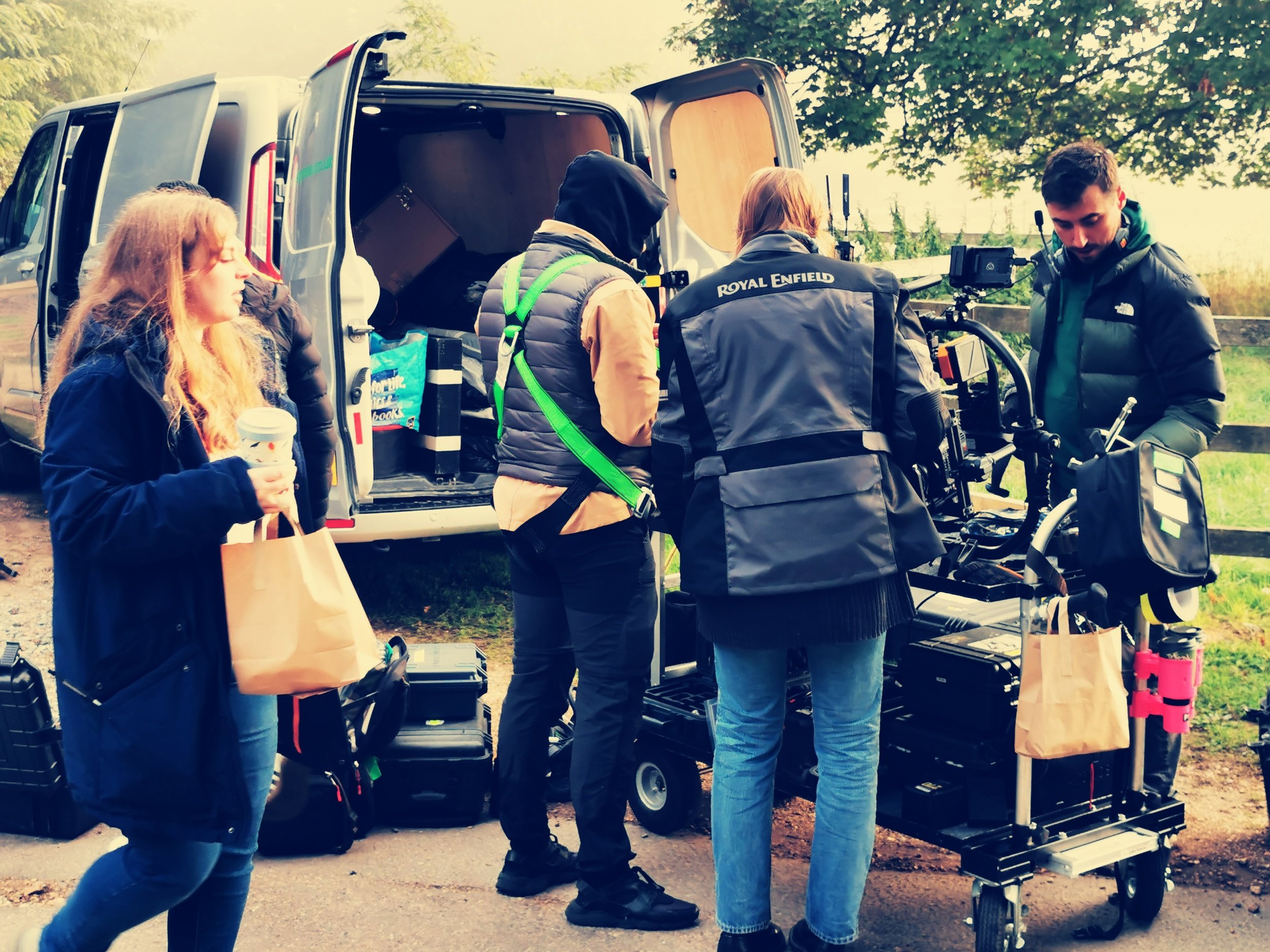
The 15 strong team comprising of Director, Assistant Director, Actors and Actress, Costume, Makeup, Grips, Camera Man, Cinematographer, Photographer, Camera Assistant, Runner, Lighting engineer , Sound, are now making this Poem into a short Film production
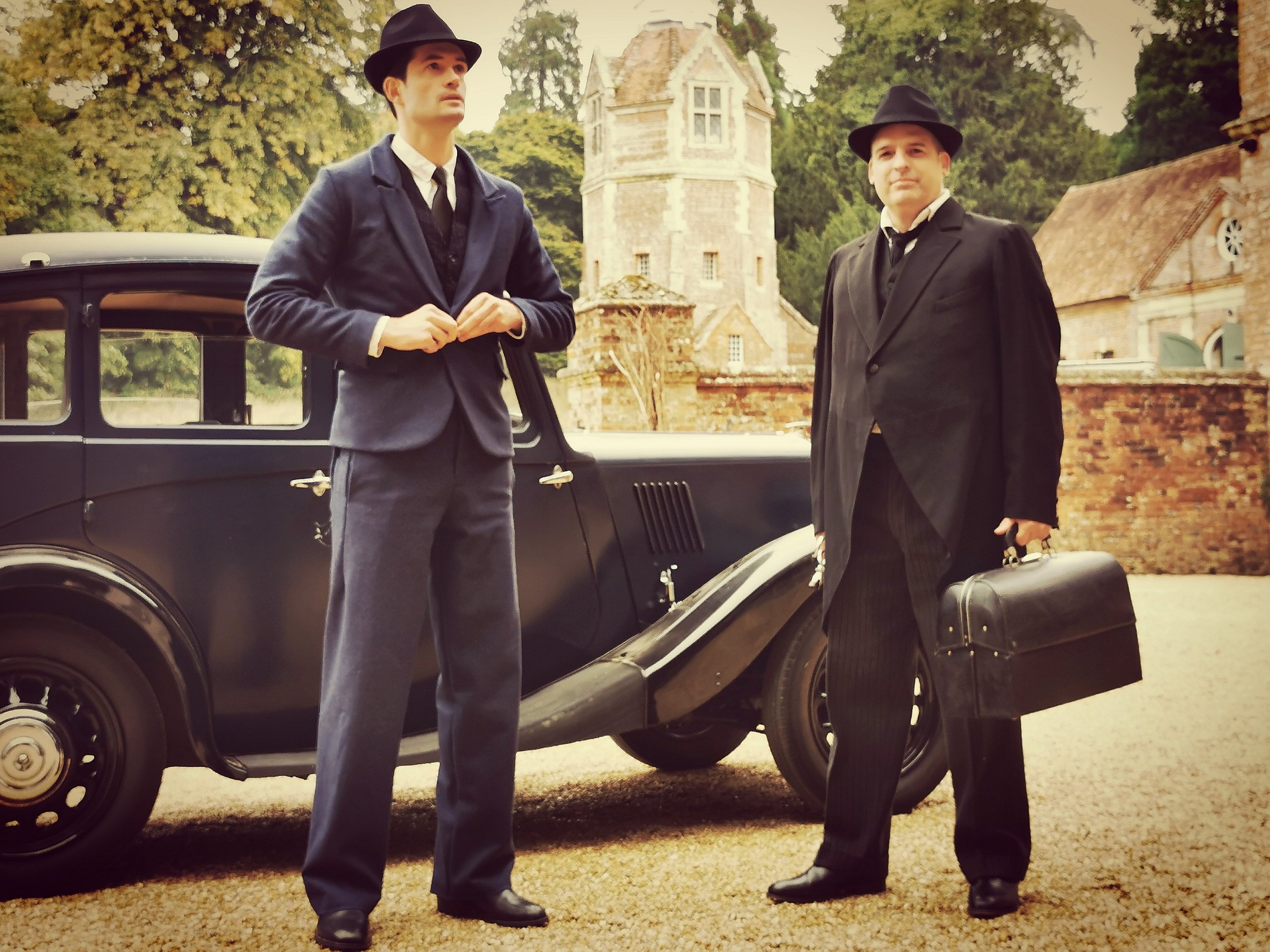
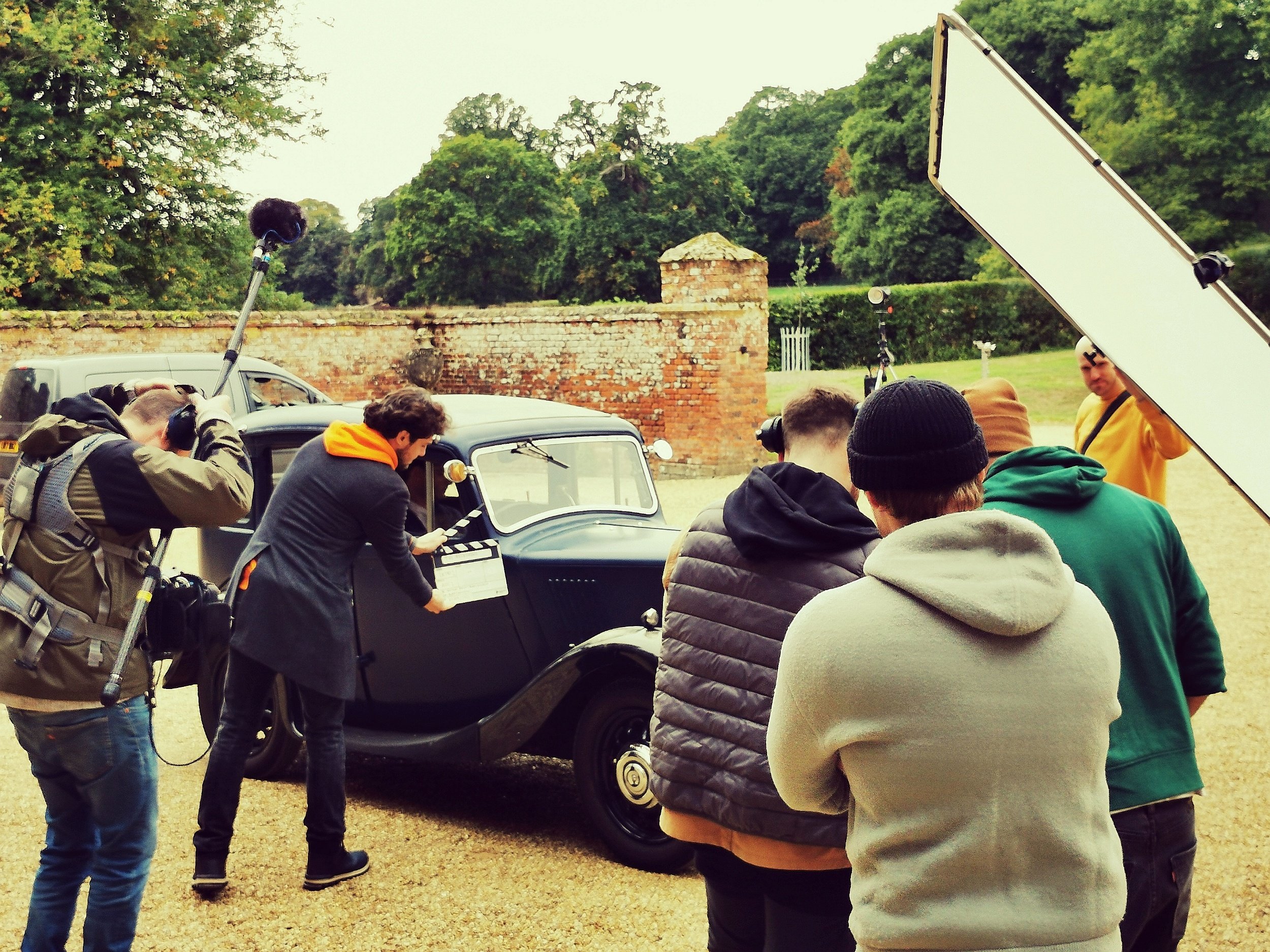
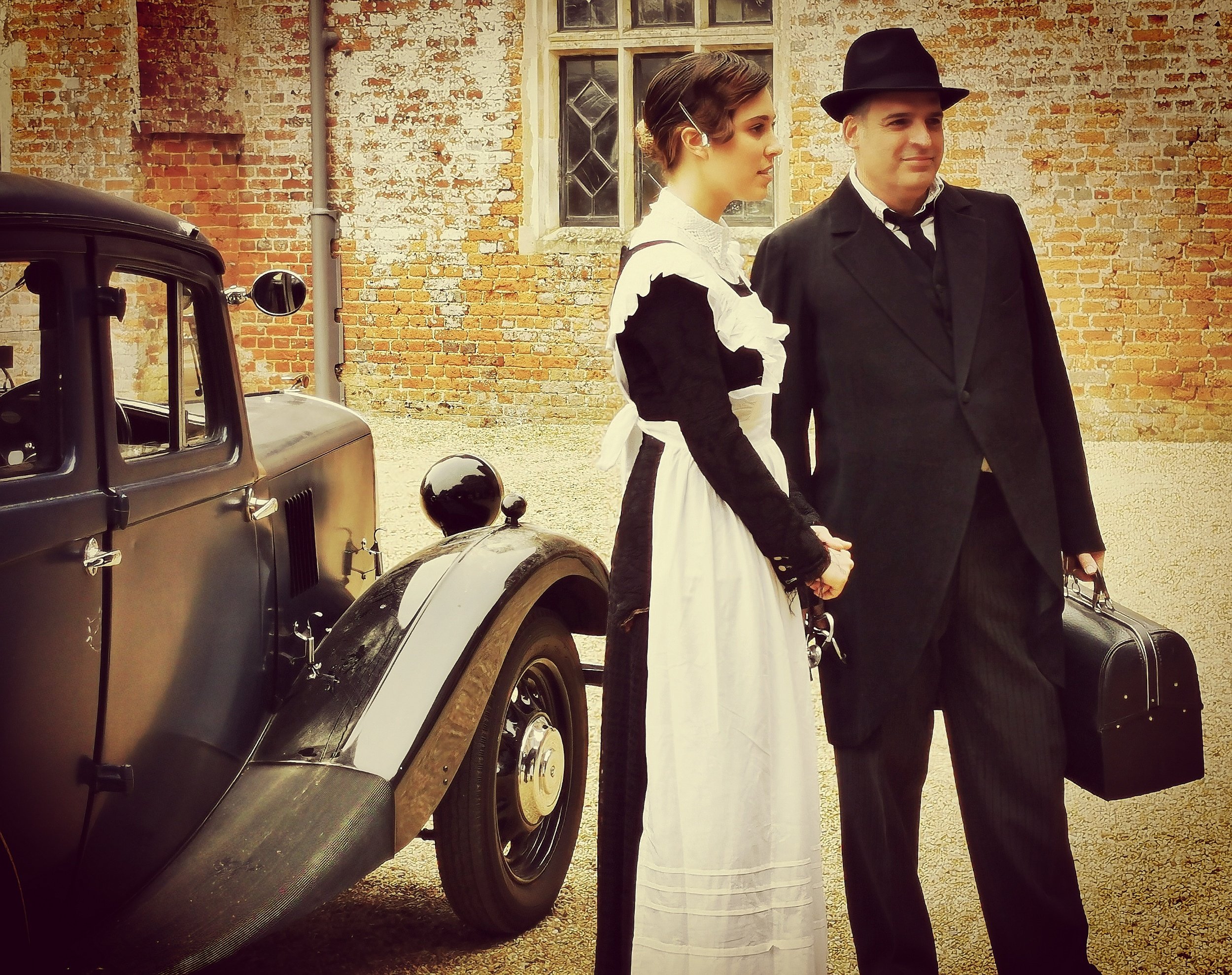
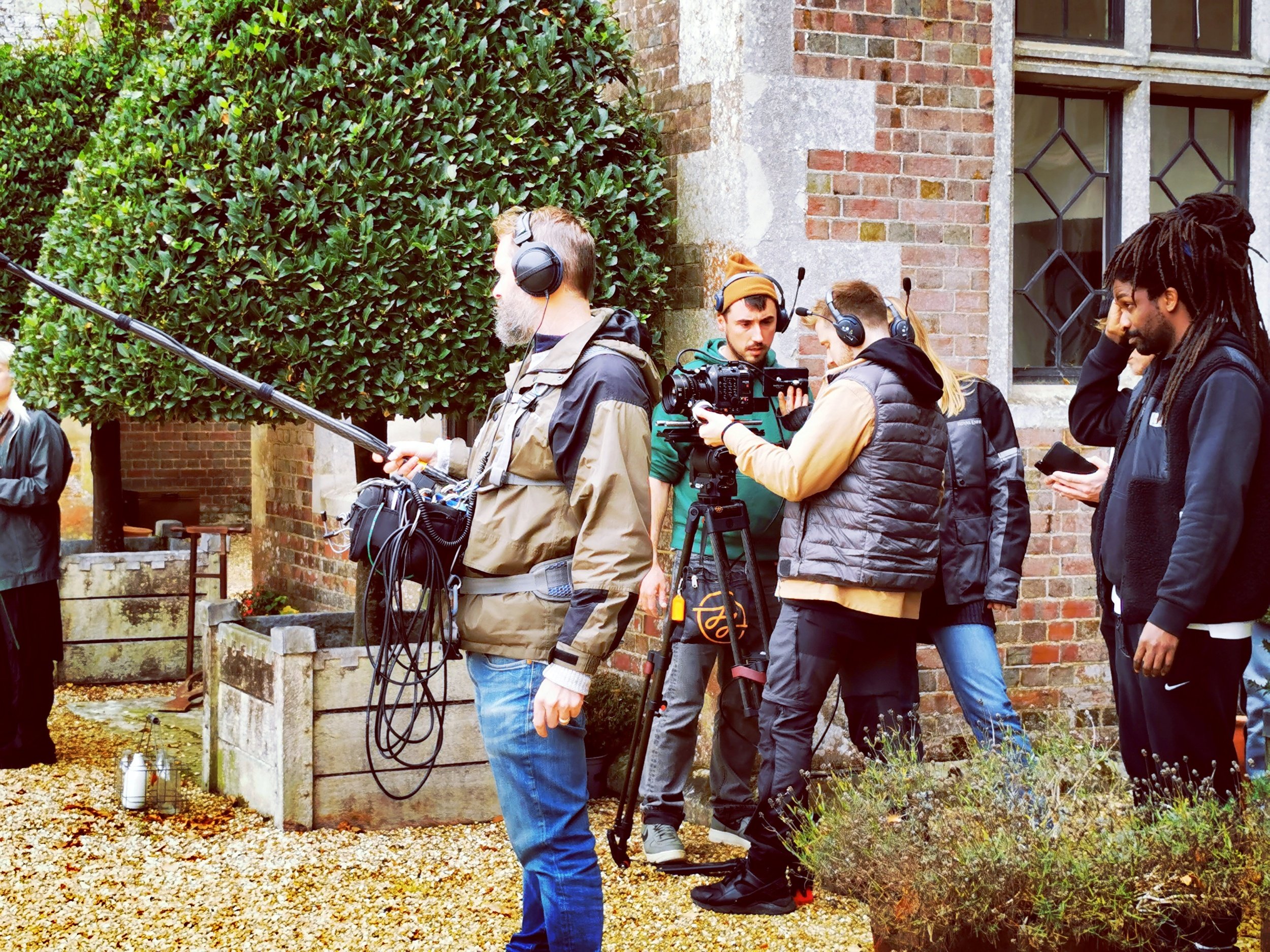
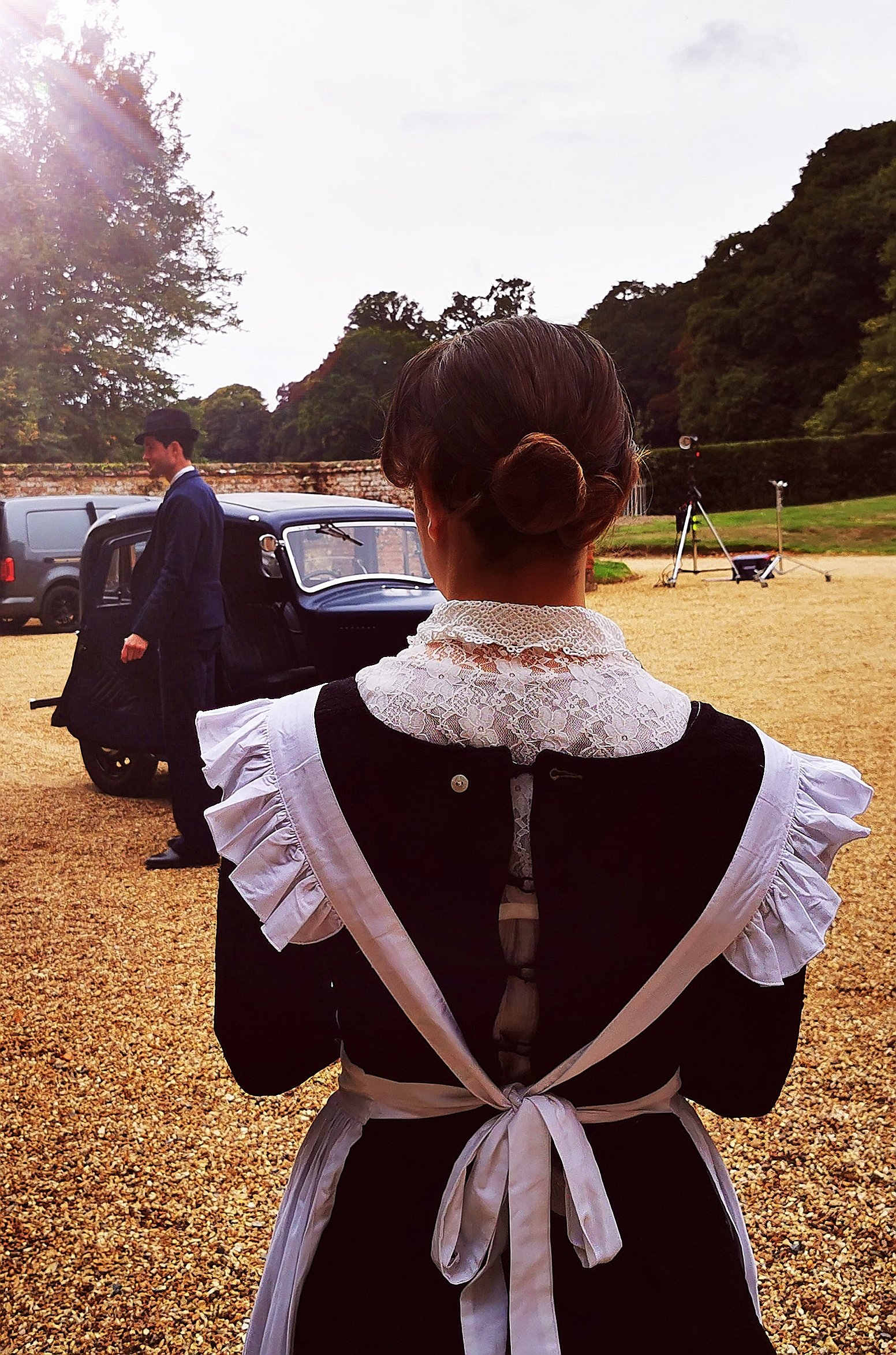
Words like Creative - Visionary - Teamwork - Artistic do not go far enough to describe how these very talented cast and crew collective ideas allow this story to be printed to film.
A perfectly example of proving ‘Nothing is impossible’


Just seeing how much care, attention and dedication is put into every second of the Film is truly fantastic.

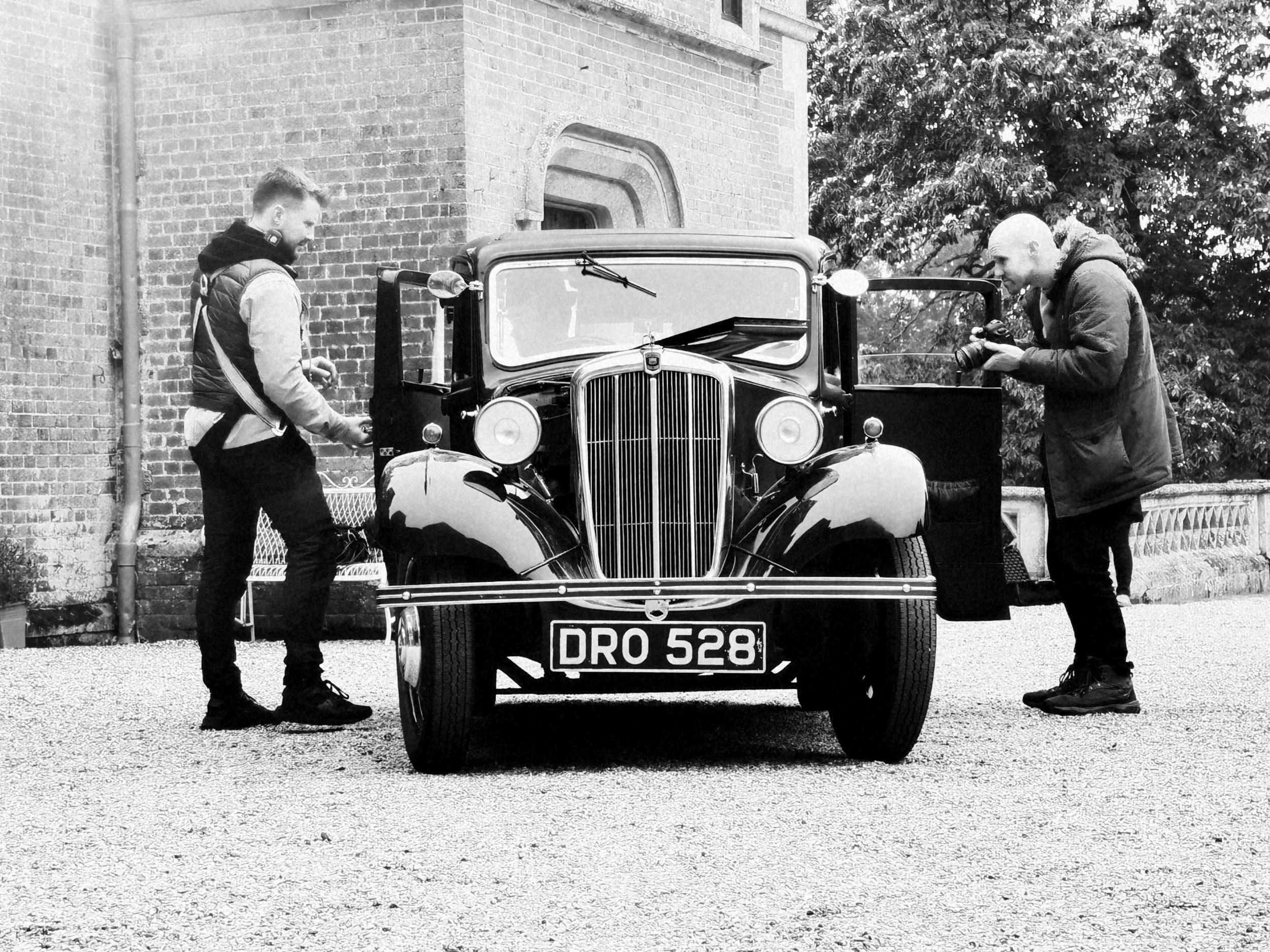


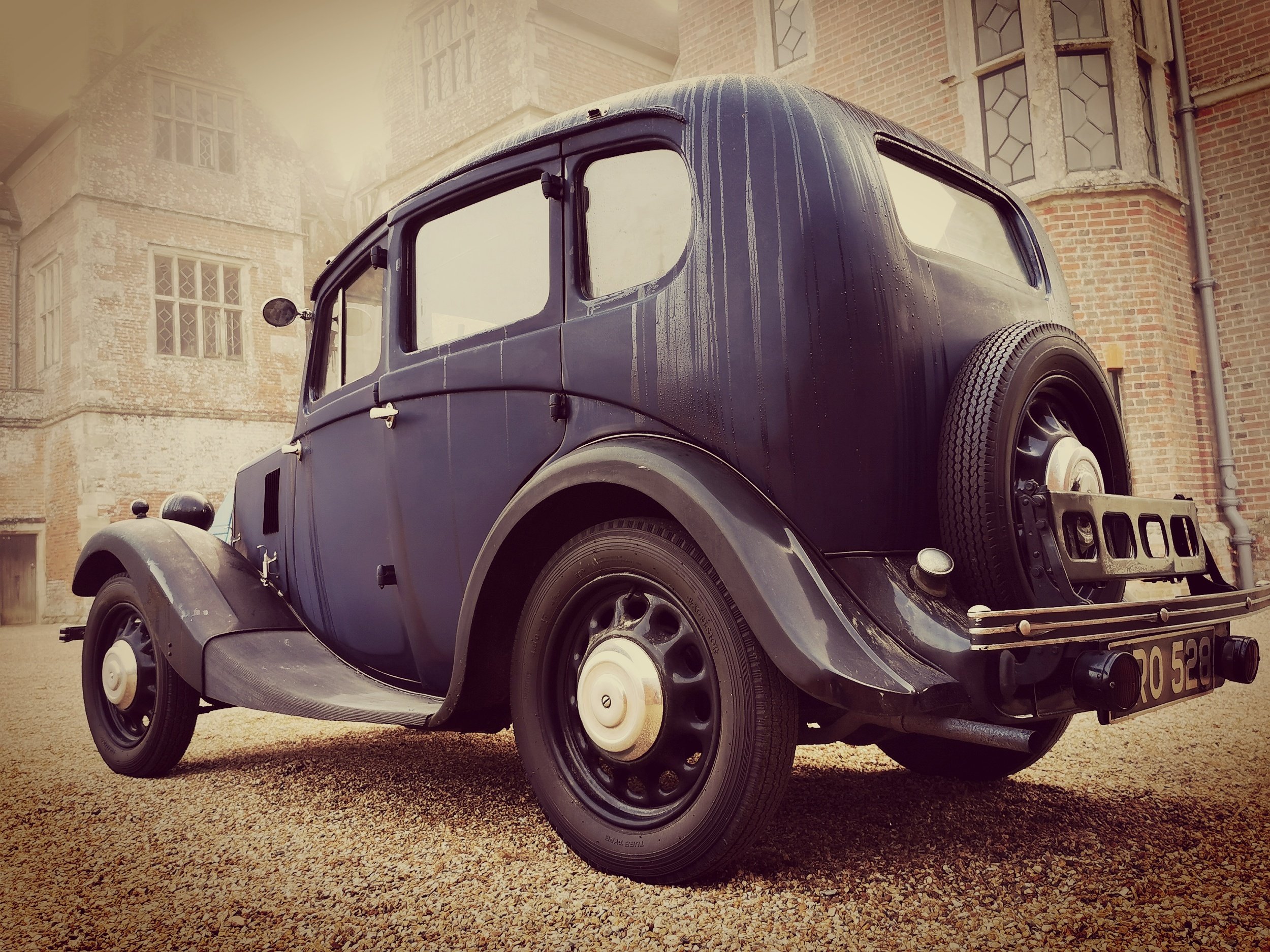
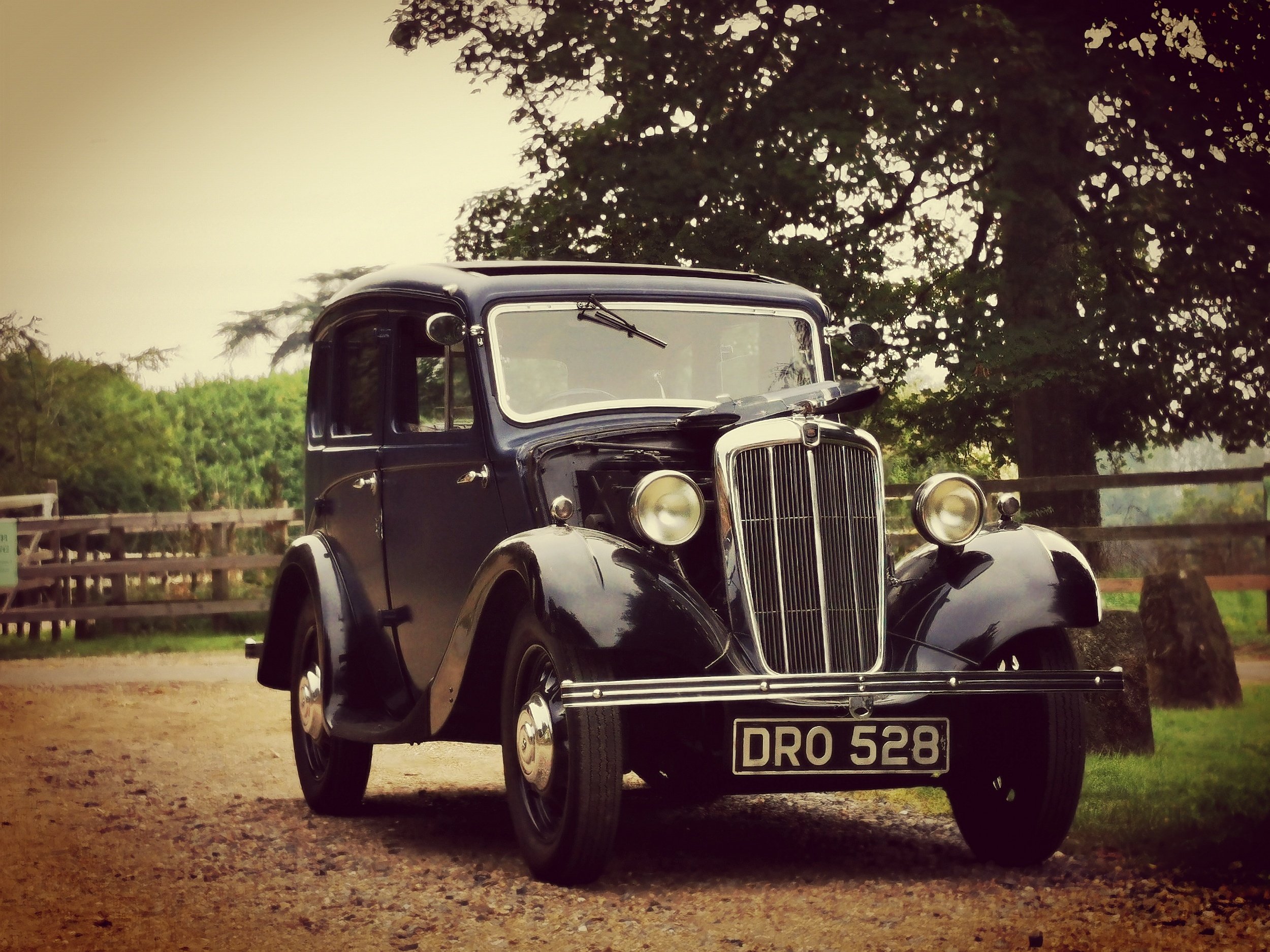
Just to be a small part of this (yes you may see me for a brief second from a far ! ) was a fantastic experience and wish everyone at www.pavillionfilms.com all the success in post production.
Looking forward to working with you all again in the Future ….. Mark D Elliott www.sandstoneproductions.co.uk

SANDSTONE PRODUCTIONS - THE NEW FOREST

Ariel Leader
Taking you back to the days of 2 stroke engines, and a unique Motorbike which bridged the gap between scooter and motorbike, but featured maximum weather protection, comfortable for two and had featured twin cylinder 250cc. We feature the Ariel Leader

Ariel Leader Brochure
One of the most sensational British motorcycles of the 1950s was the ground-breaking Ariel Leader designed by the legendary Val Page from a clean sheet – but sadly, times were changing too quickly for the good times to roll for long, writes Pete Kelly
More than 60 years on, it’s difficult to imagine what impact the launch of the innovative Leader had on the then-massive British motorcycling public.
Imagine the first sighting of one, its beautiful flowing lines, bright two-tone colour scheme, whitewall tyres and built-in flashing indicators.
Modern, clean and comfortable, it was intended to bridge the gap between the then-growing popularity of the scooter and the evergreen virtues of the traditional motorcycle
But by the time it appeared in the motorcycle dealerships its fate was already sealed, not just by the launch of the Mini car in 1959, but also by the unstoppable force of the Japanese motorcycle invasion.

Ariel Leader Brochure
“Seldom since the earliest days of motorcycling can a new model have embodied quite so much novelty as does the 249cc Ariel Leader,” wrote the Blue ’Un. “In laying out this aptly named two-stroke twin, chief designer Val Page and his team were given that dream of all designers – a completely free hand!
“The only stipulations were that the machine must be an ultra-modern two-fifty with built-in weather protection and a lively but refined performance. Provided the model could be marketed at a competitive price, any method of construction they chose could be employed.

Ariel Leader Brochure
If only the Leader had made its debut in 1955 rather than 1958!
1959 Ariel Leader
IN THE SUMMER OF 1958 the Ariel Leader made its first appearance on British roads. This quirky 249cc two-stroke twin was a result of Ariel’s brave and innovative (or is that foolish and ill-timed?) foray into the popular and growing lightweight-motorcycle/scooter market.

Tomorrow's Design Today - Ariel Leader
The designers set their aim high—combining all the best features of both scooter and motorcycle. Their progeny would be light, surefooted and easy to handle, but at the same time it would offer all the weather protection that scooter riders were accustomed to, and more.
And they both succeeded, and failed. The new bike birthed in the Ariel stables showed great promise, racing ahead to bag the Motorcycle News Best Bike of the Year award in 1959.

Machine of the year - Ariel Leader
The Leader was modern and stylish and a breath of fresh air after the usual overweight models produced by the company at that time (Red Hunter, Square Four). But despite a very promising start, it was not the great commercial success it was hoped to be having missed its market by a fairly wide margin.

Ariel Leaders
It’s fairly easy to explain how they achieved such popularity, and then quickly fell out of favour, but perhaps what needs most explanation is how this radical machine came to be produced in the first place.
After all, Ariel’s last attempt at serious innovation had been the Square Four nearly 30 years earlier. The company’s advertising slogan continued to be ‘The Modern Motorcycle’, but it didn’t seem to fit the facts.
And then, blow me; they announced a motorcycle with an unconventional frame, avant garde styling and a totally different sort of engine. It was a shock to the public, but of course it didn’t happen overnight, and it had been one of the best kept secrets in motorcycling history.
The story started in the mid-1950s, when Ariel’s board of management, under ex-racer Ken Whistance, decided on a valiant bid to avoid being overwhelmed by more trendy manufacturers that included their own partners BSA and Triumph.
Continental manufacturers were already producing durable and capable engines of this type, and in the next few years Japanese makers would show that extraordinary performance could be extracted from them without compromising reliability.
What was quite continental, however, was that the designers had dispensed with a conventional tubular frame, and opted for a pressed steel box beam. They’d gone the whole hog, too, and the beam provided everything from the rear suspension mounts to the steering head, while the supports for the swinging arm and the engine were merely downward extensions of it.
Not since the LE Velocette had such a concept been tried in such a wholehearted way by a British manufacturer, and the new machine was – like the LE – designed as a whole with built-in weather protection.
Perhaps Ariel had learnt something, the Leader was smoothly styled in such a way that it appeared almost conventional.

Ariel Leader Specification
It was a clever trick, for Page and his associates had realised that inbuilt weather protection, and enclosure of a novel engine type, was as much novelty as a British motorcyclist could be expected to bear.
So, while the petrol tank was actually a simple box located under the seat, they’d mimicked a conventional tank with a dummy pressing that gave access to a small luggage compartment within the beam.
Similarly, while the forks were necessarily unconventional, because of the difficulty of neatly accommodating conventional upper stanchions within the pressed steel bodywork, a pressed steel handlebar cover meant that only the determinedly inquisitive could see that there was a single bicycle-type fork stem.
It wasn’t well publicised, but this caused some problems during the Leader’s development, Sammy Miller – who helped out with development besides working on his competition bikes – saying that the stem had to be progressively made of heavier tube to overcome potentially disastrous breakages. The unconventional trailing-link action of the forks was subtly disguised, too, by spats formed into the lower end of the pressed-steel fork legs.
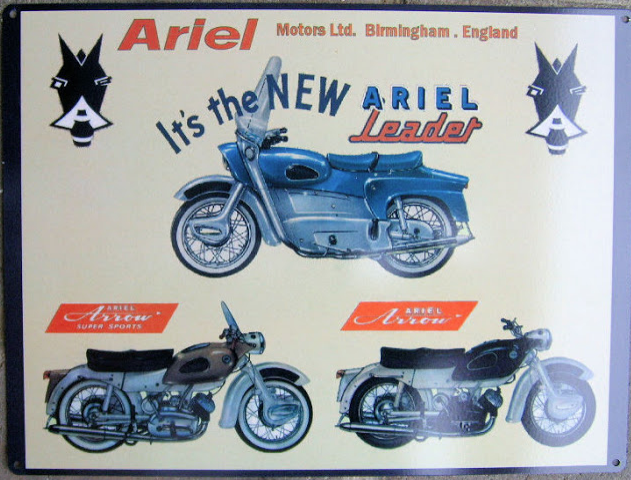
The New Ariel Leader
Even the wheels were used to help the illusion along, being smaller than usual on a motorcycle – in order to give a decent movement within the bodywork without increasing the bulk of the whole machine – but not so small that anyone could reasonably say that the result looked like a scooter. That, the design team realised, would be the kiss of death as far as motorcycle sales were concerned, and Page was canny enough to realise that there was little prospect of challenging Vespa and Lambretta’s stranglehold on that particular market.

In a sense, the Leader was the ‘car on two wheels’ dreamt of by hopeful designers, and it was close enough to that ideal, it initially seemed to demonstrate a real demand for such a device.
The Leader was launched in late 1958, and in 1959 it was voted the first ‘Machine of the Year’ by readers of Motor Cycle News, an extraordinary feat when you consider that the Triumph Bonneville was launched the same year, and the opposition included lusted-after machines like Gold Stars and Dominators.
For once a considerable number of motorcyclists put their money where their mouths were, and when the Leader was stripped down to make the even more motorcycle-like Arrow – itself voted the Machine of 1960 – sales soared to 1600 in one month. It was a remarkable achievement, but it didn’t last.

Ariel Leader - Ariel Arrow - Ariel Arrow Super Sport
The Leader’s demise is often blamed on its arrival in the marketplace almost coinciding with that of the affordable and trendy Mini car and van, and there might be some truth in that.
More importantly, though, it seems – even though motorcycle designers have often persuaded themselves that a motorist is a motorist is a motorist – car drivers, scooterists and motorcyclists are totally different breeds.

Ariel Leader Sales Poster
I suspect the Leader’s initial purchasers were mostly motorcyclists seduced by the idea of weather protection, but they were quickly disillusioned by the discovery that waterproofs were still needed to keep warm and completely dry. And when you added in the Leader’s quickly revealed shortcomings of uninspiring performance and brakes, plus its sometimes problematic starting, its demise was inevitable.
The Leader was quickly followed by the Velocette Vogue and by the DMW Deemster, both of which disappeared after achieving little success.
Half a century later it looks so modern a present-day motorist would probably ignore it unless he, or she, happened to notice its non-reflective number plates.
Many of the catalogued optional goodies where indicators (especially flash for the period), and help the modern image along, and they’re especially helpful now that many car drivers seem to interpret an outstretched arm as a challenge rather than a signal.

Ariel Leader optional Extras.

Ariel Leader Arrow Supersport Accessories

Ariel Leader Arrow Super Sports Specification
The panniers and luggage rack may show the first owner intended to seriously tour on his Leader, or they may have merely been embellishments, like the much sought-after, but totally useless, rear fender.

Ariel Leader Features

Ariel Leader indicator

Ariel Leader rear luggage carrier

Ariel Leader rear bumper
It starts easily and reliably, helped by the non-standard carburettor tickler fitted in the right-hand engine panel. The clutch is pleasantly light, but has a hair trigger action that needs caution when combined with an engine producing little low-down oomph. Gear selection is equally easy and reliable, despite the lever’s long movement.
The best thing about the Leader is you can quickly forget how unusual it is, and just treat it like a good example of a 1960s quarter litre motorcycle
The short list of criticisms confirms just how little was wrong with the machine when taken on its own terms. About 17,000 Leaders were made in their few years of production, but once the initial demand was satisfied, that was that. Some tentative attempts were made to develop it further, but in 1963 the assembly line was moved to the BSA factory where there was little interest in the machine, and production ceased in mid 1965.

25000th Ariel Leader
The Ariel Leader got close to showing it was possible to make the ‘motorcycle for everyman’, but in the end it actually proved that ‘everyman’ never existed.
Ariel Leader features
Two-tone colour schemes
Perspex windscreen wide enough to shield a rider’s hands from most of the elements and the wind-blast.
The pressed-steel leg-shields came as standard.
The drive chain and engine was enclosed in protective pressed-steel panels designed to keep the rider ‘oil-free’.
Extras included an :
Eight-day clock
A chrome rear bumper
A rear parcel carrier and colour-coded panniers (equipped with a set of rear indicators).
To keep production costs to minimum, most of the Leader’s bodywork, along with the unusual welded box-beam that acted as a frame, was built from pressed-steel panels. If not exactly attractive, the frame was stiff and sturdy—an essential requirement for producing a well-behaved motorcycle. The rear section of the body hinged to allow access to the rear wheel.
The steel petrol tank (2 ½ gallon) was rubber mounted. It was placed in the frame under the seat leaving the dummy tank as a storage compartment large enough to house a small crash helmet.

Ariel Leader Brochure
The Ariel Leader engine
The 250cc two-stroke engine with its 180-degree crank hung from the frame on three pressed-steel brackets.
To save weight, and presumably to cut production costs, the rear bracket doubled as an air-intake silencer chamber).
The parallel twin cylinders were made of cast iron and angled forward at 45°. This move decreased the overall height of the engine which made it possible to be mounted in a low position, thus bringing the centre of gravity closer to the ground and improving stability.
The engine case which contained the crank, four-speed Burman CP gear box and inner side of the primary chain housing was cast as a single light-alloy shell.
The cylinder head was also cast in light-alloy.
The engine proved to be reliable enough, provided that you kept your carburettor settings in check and didn’t starve the engine of lubricant. On the plus side, the engine could be dismantled without removing it from the frame.
A point to mention is that it's important to fit the Ariel Leader pistons the correct way around. Why? Because they have slightly offset gudgeon pins in Désaxé style. The Leader, however, isn't a true Désaxé engine in which the cylinders are offset in relation to the crank axis towards the direction of rotation thereby "biasing" the power stroke. In other words, a Désaxé engine, because its cylinders are offset, has the pistons either slightly ahead or slightly behind the crank centreline.
With the Leader, the cylinders are not offset. But the offset gudgeon pin has the same, or a similar, effect. Be warned when rebuilding.
The Leader was fitted with coil ignition and a Lucas alternator.
The rest of the electrics were fairly standard fare, but (according to some riders, and disputed by others) with unreliable switches. A six-inch headlight just bordered on the right side of adequate. The contact breaker assembly was dodgy too.
Ariel Leader Suspension and brakes

Ariel leader front Suspension and Brake

Ariel Leader Front Suspension

Ariel Leader rear suspension and brake
· The front suspension incorporated a trailing-link fork with two-way damping.
· The fork legs were encased in unconventional, golf-club shaped housings made from pressed-steel.
· The 16-inch wire wheels delivered a surefooted ride giving the Leader a distinct advantage over its small-wheeled scooter counterparts.
The wheels were supplied with whitewall tyres (still available) and quick-release, full-width hubs and drum brakes (6-inch x 1—1/8in).
· Both hubs and drums were originally manufactured from an aluminium alloy, but that changed by 1961 when both were made from cheaper, and heavier, cast iron—the change was said to be due to cracks developing in the original alloy fabrications.
Ariel Leader Handling and fuel economy
· On a whole, the Ariel Leader was a success—in terms of fulfilling its brief and initial sales, anyway. The bike handled exceedingly well.
· The top speed of 70mph (on later models almost 80mph) was impressive.
· The engine ran efficiently and could return 70mpg at 60mph.
· It looked like the Leader would conquer the market. So much so, that in 1960 Ariel (under the control of BSA, note) discontinued production of their four-strokes, putting all their efforts to the Leader and its offshoot un-faired models: the Ariel Arrow and the Arrow Super Sports (colloquially referred to as the Golden Arrow).
· It was a very bold and controversial corporate risk. But the times were changing, and old orthodoxies were crumbling. Cheap (ish) cars in the shape of the Austin Mini (1959) and the Ford Cortina (1962) were changing the shape of domestic transport in Britain. Something needed to be done to stop a diminishing market from imploding.
The Ariel Leader, on paper at least, looked as if it might throw the firm a lifeline and set a new biking (and for that matter, a new driving) trend. But despite the relative success of the model for the first few years of production, much of the public were confused and divided, and early hopes were soon dashed. Had the Leader been further developed in line with a four cylinder concept highlighting the possibilities of the design, the future might have been different (although the writing was clearly on the wall for the British motorcycle industry, and it was perhaps always a question of when, rather than if). But BSA, struggling to rationalise a monster company with too many arms and divisions, simply relinquished the Leader reigns and in 1965, the Ariel Leader and Ariel Arrow were discontinued.
Ariel Leader price and production figures
· There were, however, a few practical criticisms.
· The relatively minor ones included shoddy paintwork and rough/heavy gear-change with an unfortunate tendency to slip into neutral when not wanted.
· And the centre stand could "ground out" when riding two up.
· Another issue was that if you’d squinted at the engine and knew your European motorcycles, you couldn’t have missed the resemblance to the power unit used by German motorcycle firm, Adler. Just a coincidence? Certainly, Val Page and Bernard Knight were aware of a similar engine design by the German firm, Adler. But the differences are as great as the similarities, and the Leader should be viewed as an original concept rather than a copy.
· But the biggest issue was the price. Although the Leader was designed with production economy in mind, the initial cost of tooling (etc) brought the final purchase price to £209 11s 7d. And this was decidedly more expensive then an average scooter, and only barely cheaper then a price of many “fully-grown” motorcycles.
· Ariel built 18,347 Leaders
· 9,789 Arrows
· 6,217 Arrow Super Sports (Golden Arrow)
· And 844 of the smaller 200cc Arrows.
· Sales, incidentally, were hampered by a lack of interest in export markets, not least the USA which was geared largely towards the leisure end of the market, as opposed to the commuter end. As a consequence, the comprehensive weather protection offered by the Leader was hardly a selling point.
Ariel Leader colours
Admiralty Grey was the original main colour for side panels, leg shields, front fork, and front mudguard
With either Cherokee Red or Oriental Blue above.
Later bikes had a Dark Seal Grey option for the upper body.
In 1964, Leaders were available in an Ivory/Flamboyant Red livery
Ivory/British Racing Green
Ivory/Aircraft Blue.
Black was also optional, and we're advised that Red/Sky Blue was yet another colour choice.
Buying an Ariel Leader
Aside from a basic visual inspection—such as checking for crash damage, rust, and obvious missing parts—
Buyers should ensure that the engine mounts are in good condition. Repairs here will quite probably require a complete frame strip. So pay special attention.
Check too that the bike is an easy and regular starter. Poor starting could be due to carburettor issues (Amal 375, 7/8th inch choke) or ignition issues (6v coil/alternator), which are easily remedied.
Or it could be due to blown crankcase seals—which are a little more complicated to sort out.
Bikes in regular use invariably fare better than bikes that spend most of their time idle in the garage, so ask intelligent questions about usage and history. And don't be deterred by a scruffy hack. These are often in good tune and reliable.
The bottom end of an Ariel Leader can, remember, be stripped with the engine in situ (using the correct puller to split the flywheel halves), so don't be too daunted by the prospect of a rebuild (as long as the asking price is right.
Check exhaust baffles for heavy coking. These can be cleaned or replaced, and complete silencers are available—albeit a little pricey. But running on a modern 35:1 oil/petrol mix (as opposed to the original 25:1) will significantly cut maintenance.
Riding the Ariel Leader
They're surprisingly good fun. That's the bottom line.
Of course, a lot of that fun depends upon how much your head's been turned by the styling, because you certainly can't escape that. There's no other British bike that's quite like a Leader.
The weight distribution and balance is fairly good, even when riding two up.
But the brakes are struggling at pretty much any speed.
Owners occasionally fit other brakes from other bikes, particularly at the front, but the loss of originality will hit you hard in the pocket. Only top Leaders sell for top money, and the braking is manageable once you adjust to it.
Otherwise, the controls are light and easy. Steering is light and steady. The suspension is adequate to good.
The weather protection is the unique selling point if you're planning to use a Leader as a daily ride, and because it has so much presence on the road, motorists tend to be a little more generous about sharing space.
But take care, because there are still plenty of rubberneckers out there anxious to get a closer look.
The performance is acceptable, by modern standards. But you'll notice a real difference when carrying a passenger. There simply isn't much in reserve. So factor that in.
Cruising at 50-55mph is realistic and comfortable.
Acceleration is fairly sprightly—unless you're used to modern two-strokes.
But it's still a viable classic, and one that you really could comfortably tour upon.
Prices fluctuate significantly as these bikes slip into and out of fashion. Which is appropriate really because the world always was ambivalent about these wonderful two-strokes.
From the outset, they were as right as they were wrong. They were always both stylish and gaudy anachronisms right off the drawing board owing much of their philosophy to the early days of motorcycling before the conventions had been established.
We like them plenty, not only as a bold statement of British engineering eccentricity, and not only as a reminder of the post-war optimism that died a sour death some time around the 1970s, but also because they're as much quirksome as irksome and that they challenge biking conventions.
Ride with pride. Ariel Leaders are simply cool.

Ariel Leader Dashboard
1961 Ariel Leader specifications
Type: Air-cooled two-stroke parallel twin
Capacity: 247cc (250cc)
Bore & Stroke: 54mm x 54mm
BHP: 17.5 @ 6400rpm
Compression ratio: 10:1
Transmission: 4-speed, multi-plate clutch
Brakes: 6-inch single leading shoe drums front and rear
Electrics: Lucas alternator, coil ignition, 6 volt
Front suspension: Trailing link fork
Rear suspension: Swinging arm, twin shock absorbers/dampers
Wheels: 3.25 x 16-inch front & rear
Weight: 320lbs (dry)
Maximum speed: 70mph (approximately)
Ariel Golden Arrow
This was a cheaper, stripped Leader produced from 1959 and was developed into the Golden Arrow 'sport' version in 1961.
A sister-machine designated Ariel Arrow 200 – with a smaller capacity of 200 cc, achieved by reducing the bore to 48.5 mm from 54 mm whilst retaining the same stroke was available from 1964 to bring it into a lower tax band and benefit from lower UK rider insurance premiums.
In his 1964 Motor Cycle road test, Bob Currie reported good performance, with an absolute top speed – with "rider lying flat, of course" – of 74 mph and a cruising speed which could be held at 60 mph.
The bike had the usual Arrow ivory background colour, but with the tank and chaincase finished in either 'aircraft' blue or British Racing Green, and tank badges denoting 'Arrow 200'.
After the Ariel factory closure, in 1967 Ariel marketed its last motorcycle, the Arrow 200 produced for a time by BSA.
In 1960, a prototype Arrow with a four-stroke 349 cc twin-cylinder engine was made to sell alongside the Ariel Leader.
The budget engine, designed by Val Page to do 75 mph (121 km/h), was canted to fit the Arrow frame. Although it was thought the initial 18 bhp (13 kW) power output could have been increased to 24 bhp (18 kW), development money ran out and the project was dropped.
Ariel could not compete against Japanese imports. The Ariel factory closed in 1965, although the name remained under BSA to produce Ariel Arrows until 1967 and a commercially unsuccessful 49 cc banking trike named Ariel 3 in 1970.
To find out more fun Future Facts by clicking our Blogs below……….!!! Please Share …..
Ghostbuster - Ecto 1
https://www.sandstoneproductions.co.uk/blogtothefuture/2021/3/31/ghostbusters-ecto-1
Cars of Back to the Future
https://www.sandstoneproductions.co.uk/blogtothefuture/2021/2/10/the-cars-of-back-to-the-future-55-
Back to the Future Fashion
https://www.sandstoneproductions.co.uk/blogtothefuture/2021/2/19/back-to-the-future-fashion-te2yx
Ariel Leader
https://www.sandstoneproductions.co.uk/blogtothefuture/2021/2/17/ariel-leader
Back to the Future - Hill Valley History
https://www.sandstoneproductions.co.uk/blogtothefuture/2021/2/2/hill-valley-history-jxrr4
Back to the Future Gadgets and Trends we have in 2021
Doc Browns Biography and the History of his DeLorean Time Machine
Marty McFly Biography also featuring Biff, George, Jennifer, Loranine
Back to the Future - Hill Valley History
https://www.sandstoneproductions.co.uk/blogtothefuture/2021/2/2/hill-valley-history
Back to the Future - Detailed storyline
Back to the Future - How to generate 1.21 Giggawatts / Jiggawatts with Mr Fusion
What is a Fat Bike ? And where did the idea of Fat Bikes come from ?
https://www.sandstoneproductions.co.uk/blogtothefuture/2021/1/10/fat-bike-what-is-a-fat-bike-history
The Time Paradox explained - Back to the Future
The Sinclair C5
https://www.sandstoneproductions.co.uk/blogtothefuture/2021/1/9/sinclair-c5-
Mini Jeep Mini Review
https://www.sandstoneproductions.co.uk/blogtothefuture/minicoolsterjeepreview
Hoverboards - Back to the Future
https://www.sandstoneproductions.co.uk/blogtothefuture/2020/12/13/hoverboards-
How does the Time Machine work - Back to the Future
https://www.sandstoneproductions.co.uk/blogtothefuture/2020/11/22/how-does-the-time-machine-work
The DeLorean Motor Company - What did it fail ? Or did it ?
https://www.sandstoneproductions.co.uk/blogtothefuture/2020/11/22/whydiddeloreanmotorcompanyfail
The DeLorean Motor Company - History
https://www.sandstoneproductions.co.uk/blogtothefuture/2020/11/22/deloreanmotorcompany
The Flux Capacitor - Back to the Future
https://www.sandstoneproductions.co.uk/blogtothefuture/fluxcapacitor
Is Time Travel Possible ? And what would it take ? Back to the Future
https://www.sandstoneproductions.co.uk/blogtothefuture/istimetravelpossible